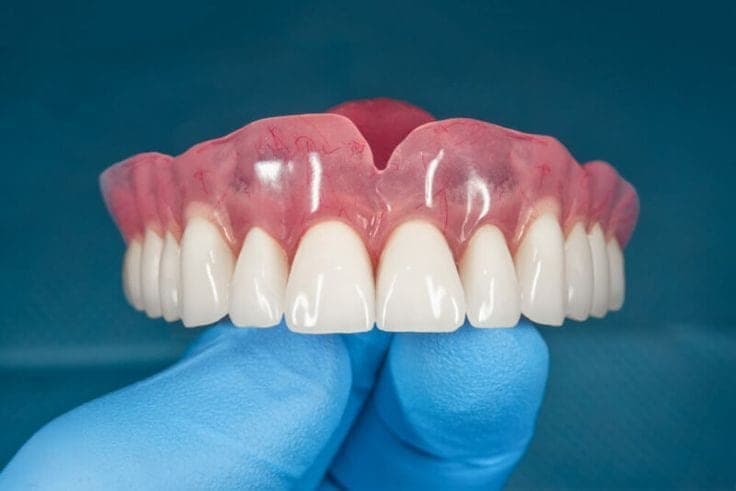
Removable Prosthetics
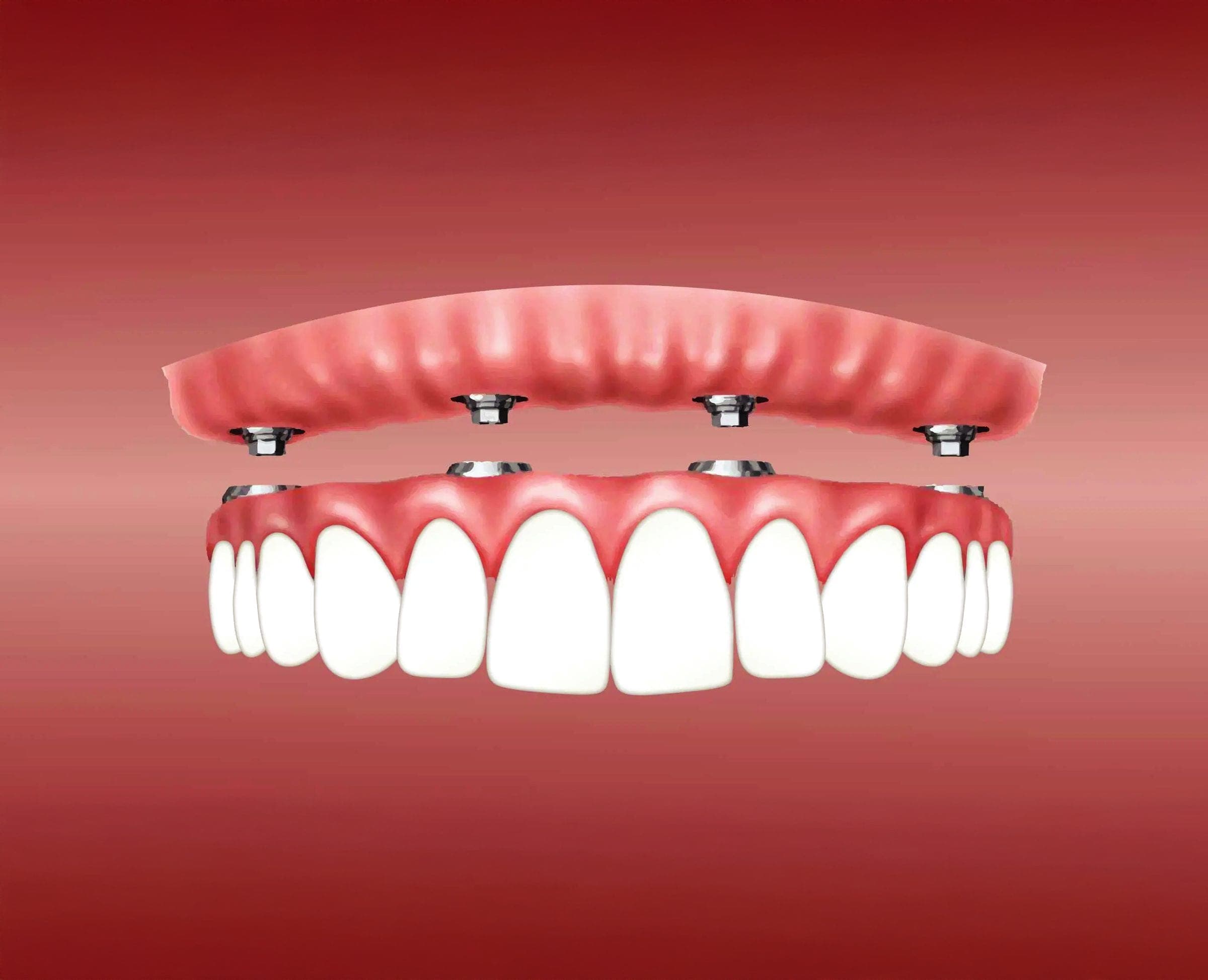
Removable prosthetics, or dentures, are custom-made replacement teeth that you can take out and put back in. Complete dentures replace all the teeth in the upper or lower jaw, while partial dentures fill gaps and clip onto your remaining natural teeth. They help restore chewing, speech and the shape of your smile.
- Visits
- Several appointments
- Adjusting
- A few weeks to get used to
- Longevity
- Often 7–10 years with care
Who it suits.
- People missing all of their upper or lower teeth
- Several missing teeth where a bridge is not suitable
- Those who prefer a non-surgical way to replace teeth
- Patients who need a solution soon after extractions
What it brings.
Restores your smile
Replacement teeth fill gaps and support the lips and cheeks.
Better chewing
Dentures make it easier to eat a wider range of foods.
Clearer speech
Replacing missing teeth can help with pronouncing certain sounds.
No surgery needed
Conventional dentures are made and fitted without any surgical procedure.
Step by step.
- 01
Assessment
Your dentist examines your gums, jaw and any remaining teeth, and explains whether a complete or partial denture suits you.
- 02
Impressions and bite
Moulds or scans of your mouth are taken, along with records of how your jaws meet, so the denture fits your bite.
- 03
Try-in
A trial version lets you and your dentist check the fit, tooth shape and color before the final denture is finished.
- 04
Fitting and adjustments
The finished denture is fitted, and follow-up visits are used to ease any sore spots as your mouth gets used to it.
Looking after it.
- Take dentures out at night and keep them in water or a denture-soaking solution
- Clean them daily with a soft denture brush and a denture cleaner, not regular toothpaste
- Brush your gums, tongue and any natural teeth morning and evening
- Never try to repair or adjust a denture yourself; see your dentist if it becomes loose or uncomfortable
Good to know.
How long does it take to get used to dentures?
New dentures often feel strange for a few weeks, and it can take a little longer to feel fully natural. Start with soft foods cut into small pieces and practise speaking aloud; minor soreness is common and your dentist can adjust the fit.
Should I sleep with my dentures in?
Generally no. Taking them out overnight gives your gums a rest and helps prevent irritation and infection, unless your dentist advises otherwise for a short period after fitting.
How long do dentures last?
Dentures often last around seven to ten years with good care. Your gums and jawbone slowly change shape over time, so dentures may need relining or replacing to keep them fitting well.
Explore more.
Discover the
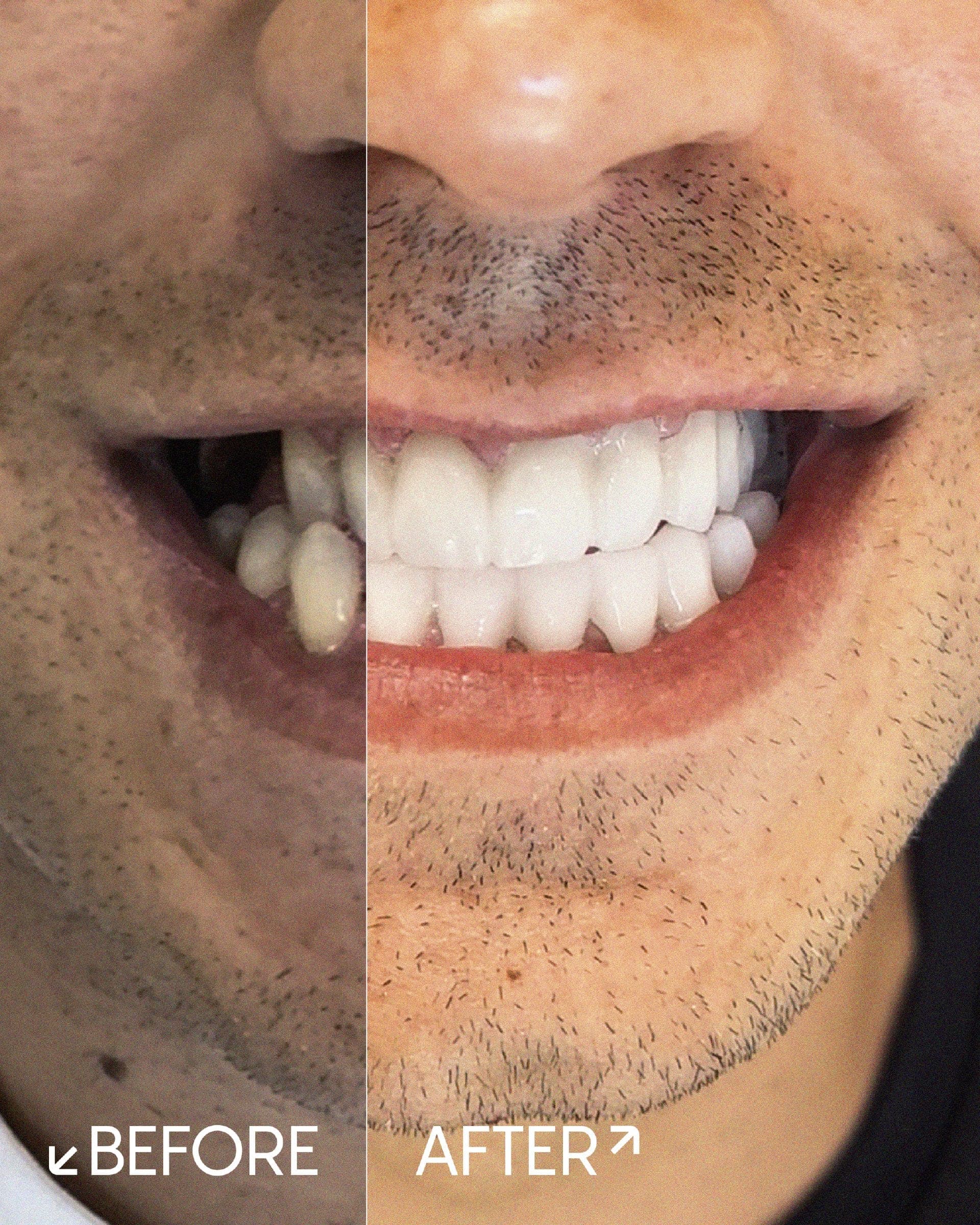
Power of change.

In their own words.

“I'm very happy with my experience! The team was professional, and the treatment was top-quality. I saved a lot on my dental work without compromising on care. Highly recommend!”

“The clinic exceeded my expectations! The staff was friendly, and the care was excellent. I got a full smile makeover at an unbeatable price. Very satisfied!”

“I was nervous at first, but the team made me feel comfortable and the treatment was painless. I'm thrilled with the results and the savings. I highly recommend it!”

“Great dental care at an affordable price. The team was friendly and professional, and I'm really happy with the results. Highly recommend the clinic!”