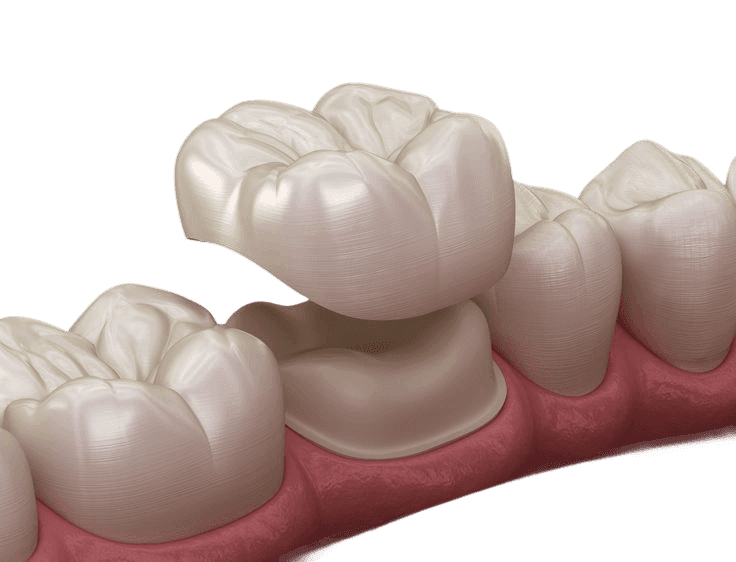
Porcelain Crowns
A porcelain crown is a tooth-shaped cap that covers the whole visible part of a damaged tooth. This version has a thin metal base with tooth-colored porcelain layered on top, so it pairs the toughness of metal with a natural look. It is used to rebuild teeth that are broken, badly decayed, heavily filled or weakened after root canal treatment.
- Visits
- Usually 2
- Treatment time
- About 1–2 hours per visit
- Longevity
- Often 5–15 years or more
Who it suits.
- Teeth that are cracked, chipped or worn down
- Teeth with large fillings that no longer hold well
- Back teeth that take heavy chewing forces
- Teeth weakened after root canal treatment
What it brings.
Strong metal core
The metal base gives the crown the strength to handle everyday chewing.
Tooth-colored surface
The porcelain layer can be shaded to blend in with the teeth around it.
Protects the tooth
Covering the tooth fully helps hold a weak or cracked tooth together.
Long track record
This type of crown has been used in dentistry for decades.
Step by step.
- 01
Exam and planning
Your dentist checks the tooth, usually with an X-ray, and confirms that a crown is the right way to restore it.
- 02
Shaping the tooth
With the area numbed, a thin layer of the tooth is removed so the crown can sit over it without looking bulky.
- 03
Impressions and temporary
A mold or digital scan is taken for the dental lab, and a temporary crown protects the tooth while the final one is made.
- 04
Fitting the crown
At the next visit the temporary comes off, and the new crown is checked for fit, bite and shade before being cemented in place.
Looking after it.
- Brush twice a day and floss daily, paying attention to where the crown meets the gum
- Avoid very hard or sticky foods, especially while wearing the temporary crown
- Ask about a night guard if you grind or clench your teeth
- Keep up regular check-ups so the crown edges can be inspected
Good to know.
Does getting a crown hurt?
The tooth is numbed with local anesthetic, so the preparation itself should not be painful. Some sensitivity to hot or cold for a few days or weeks afterwards is common and usually settles on its own.
How long does a porcelain crown last?
Crowns commonly last somewhere between five and fifteen years, and many last longer. How long yours lasts depends on your brushing and flossing, your bite and habits such as grinding.
Will anyone see the metal?
Usually not, but over time the gum can recede slightly and reveal a thin dark line at the edge of the crown. The porcelain can also chip, which may expose some metal underneath.
Explore more.
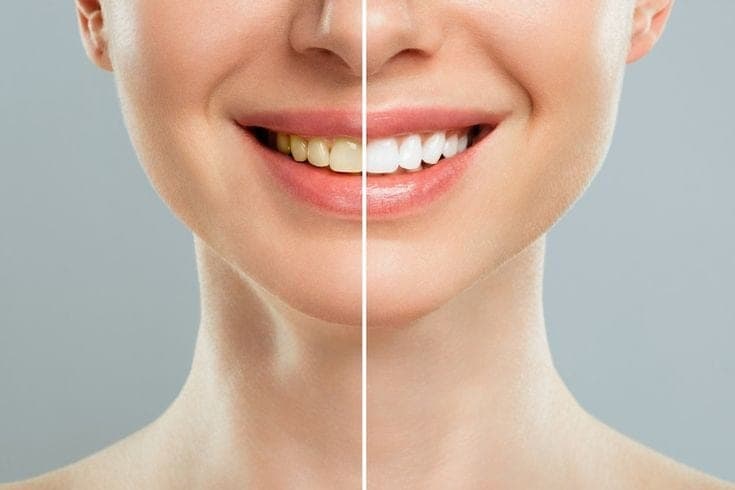
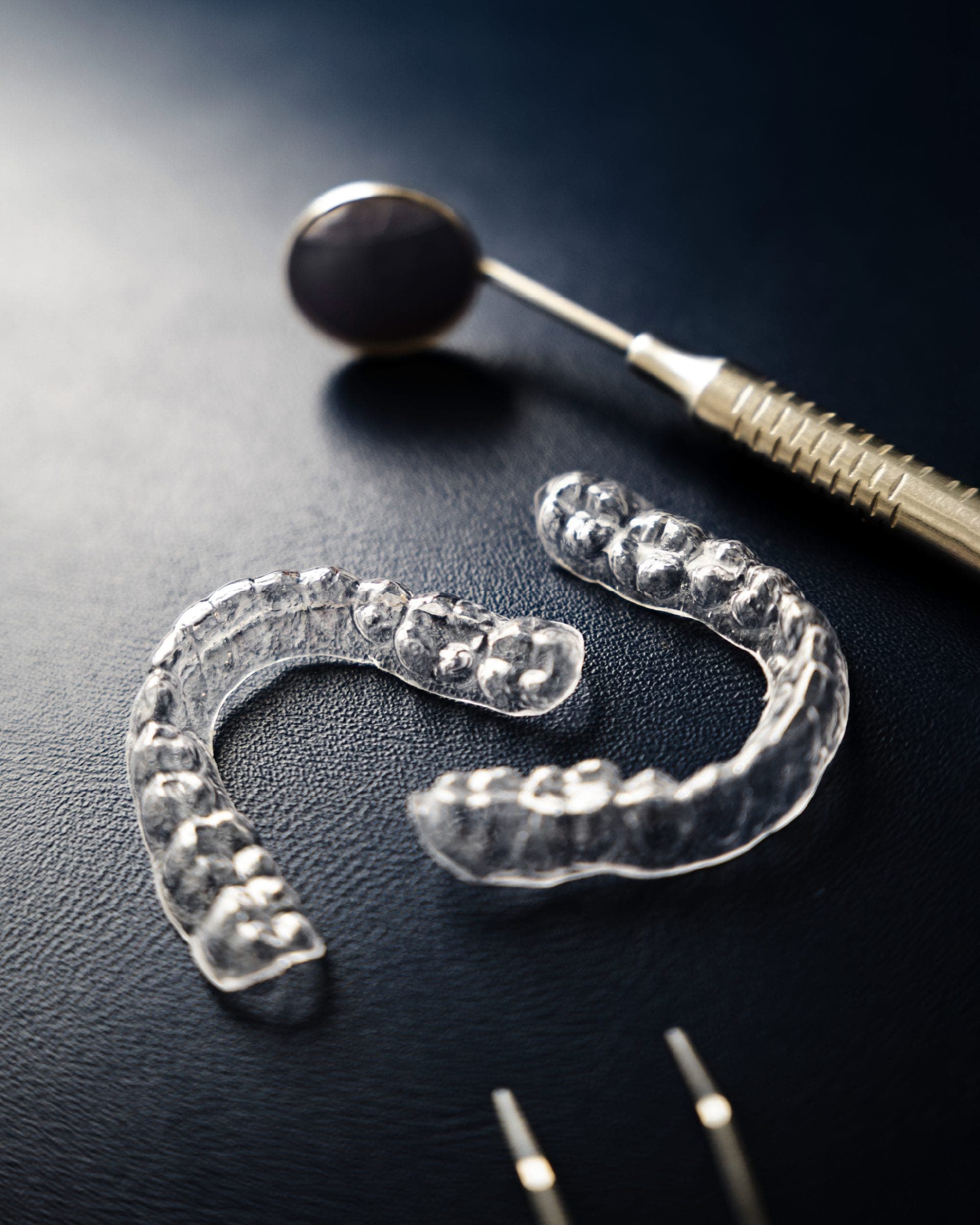
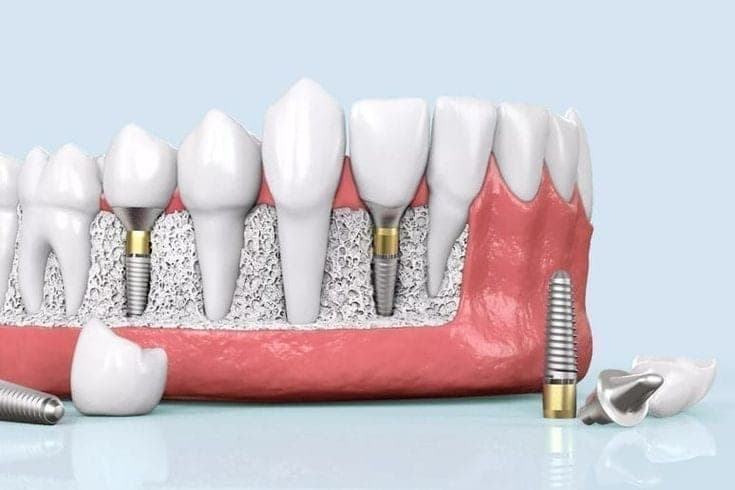
Discover the
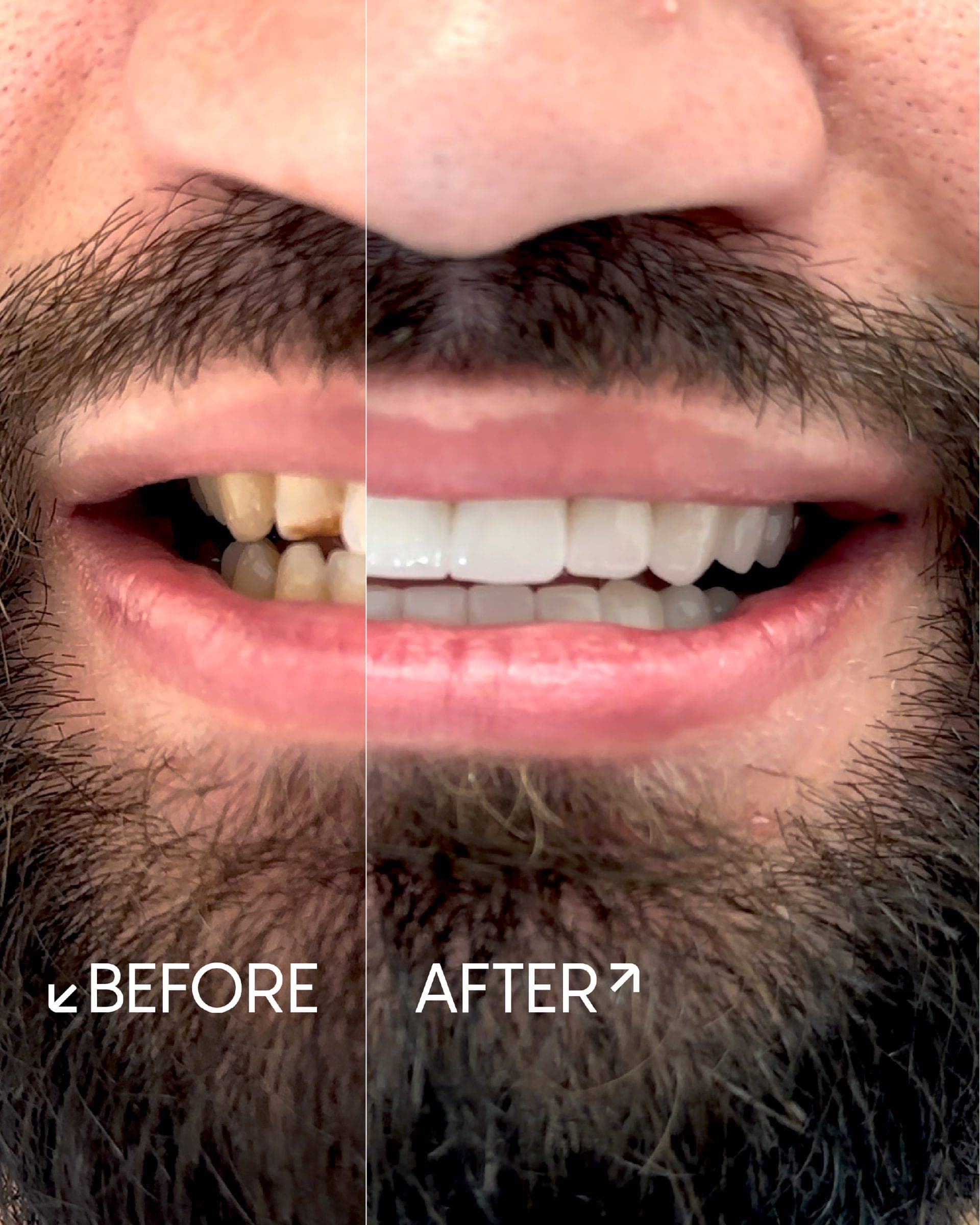
Power of change.

In their own words.

“I'm very happy with my experience! The team was professional, and the treatment was top-quality. I saved a lot on my dental work without compromising on care. Highly recommend!”

“The clinic exceeded my expectations! The staff was friendly, and the care was excellent. I got a full smile makeover at an unbeatable price. Very satisfied!”

“I was nervous at first, but the team made me feel comfortable and the treatment was painless. I'm thrilled with the results and the savings. I highly recommend it!”

“Great dental care at an affordable price. The team was friendly and professional, and I'm really happy with the results. Highly recommend the clinic!”