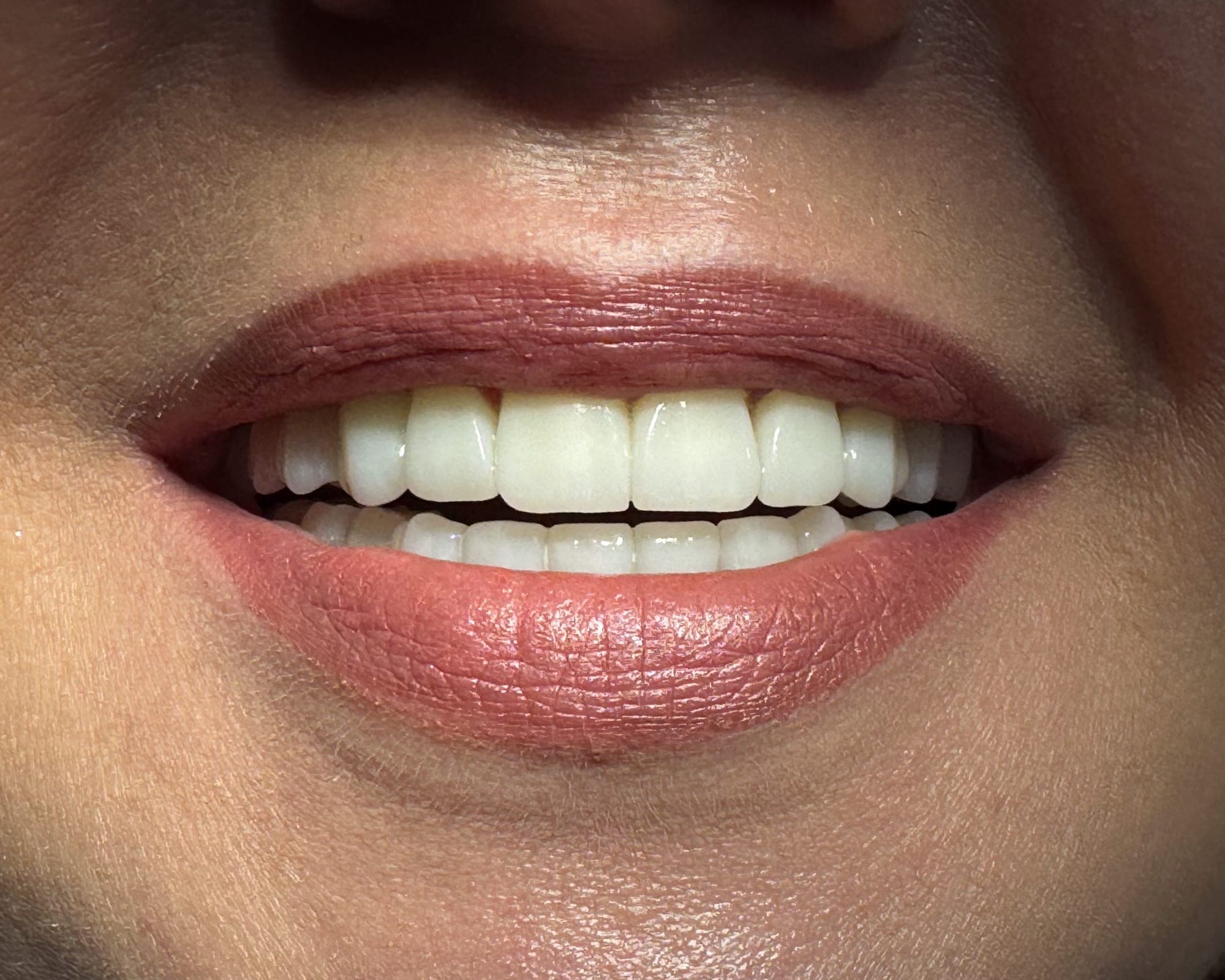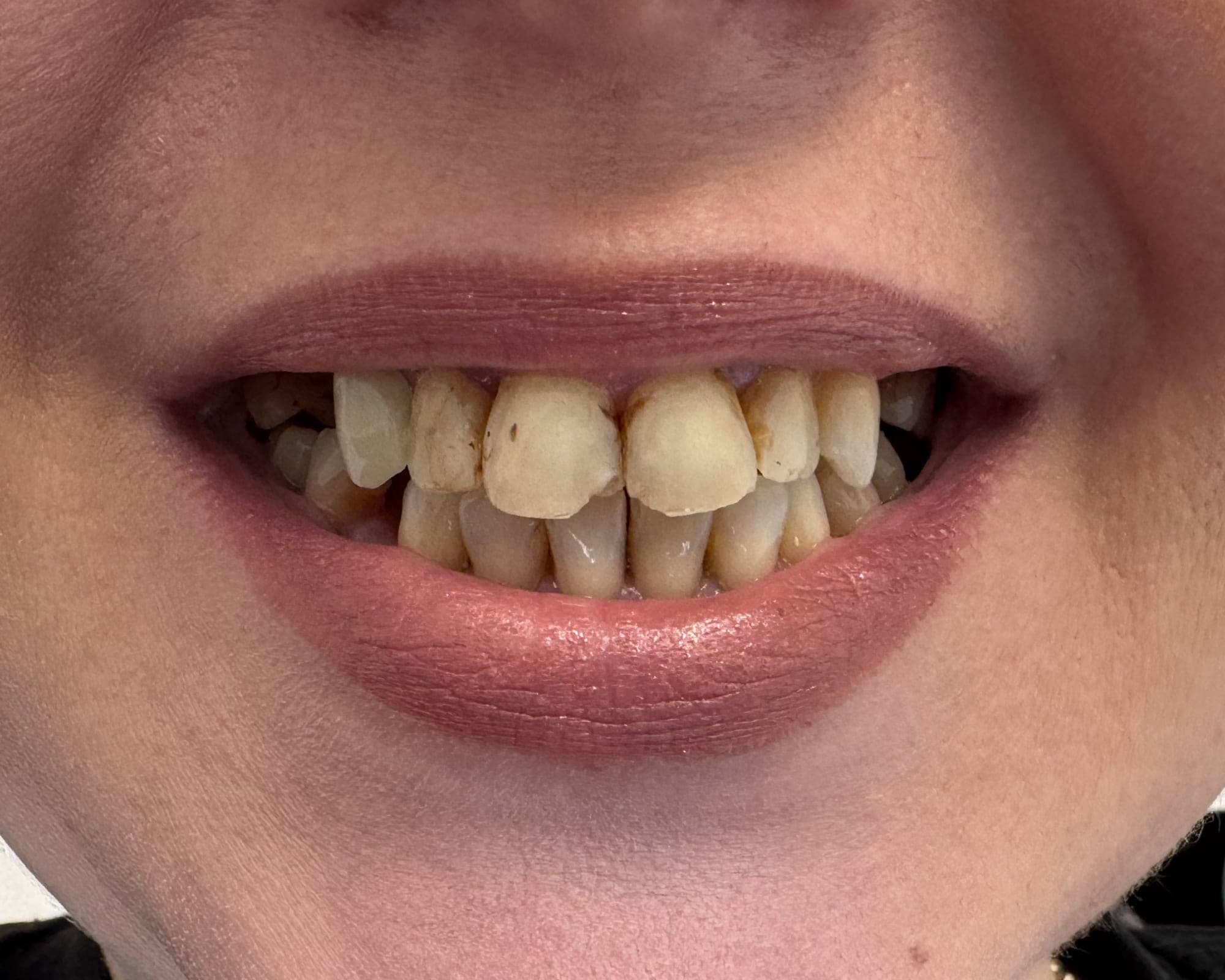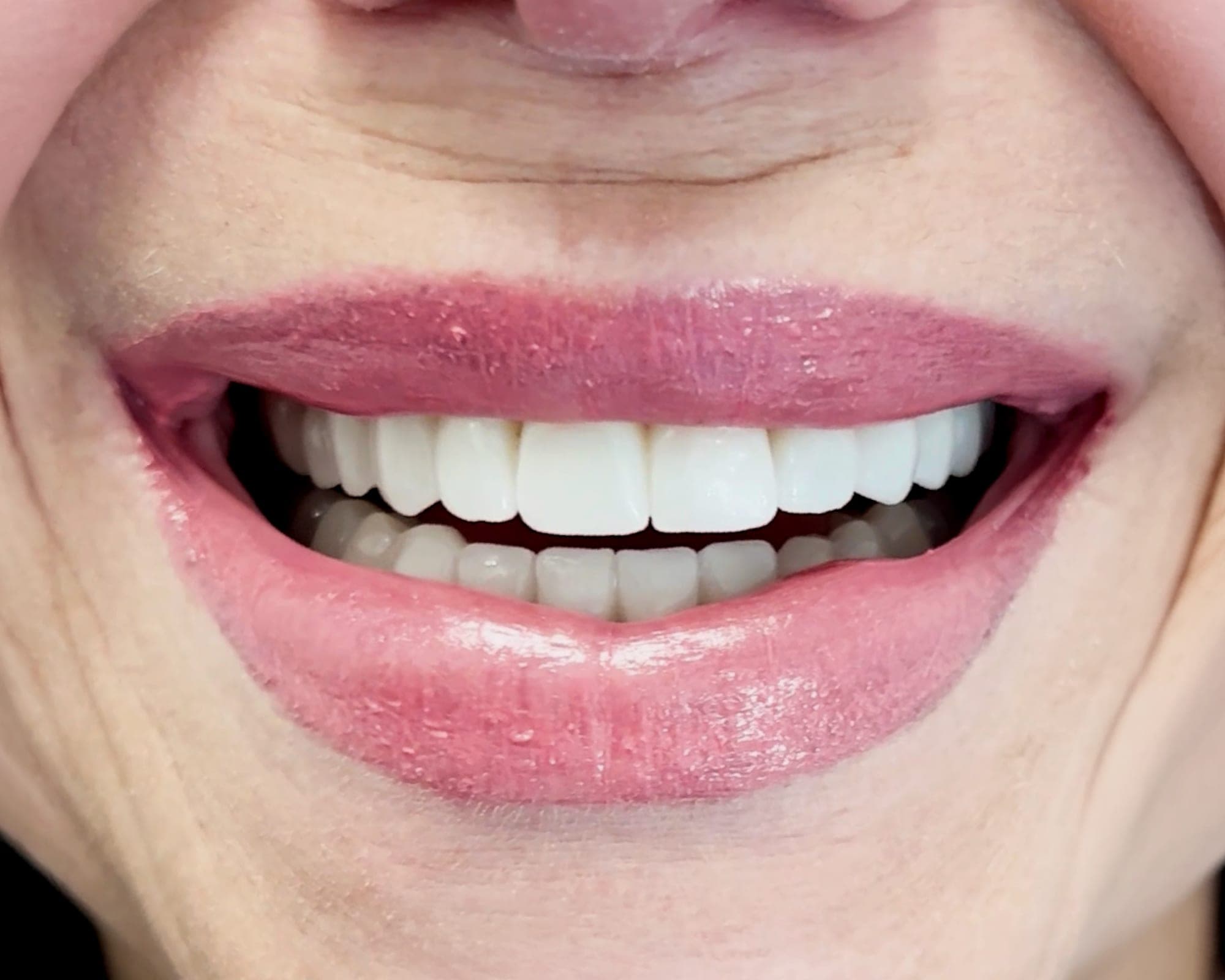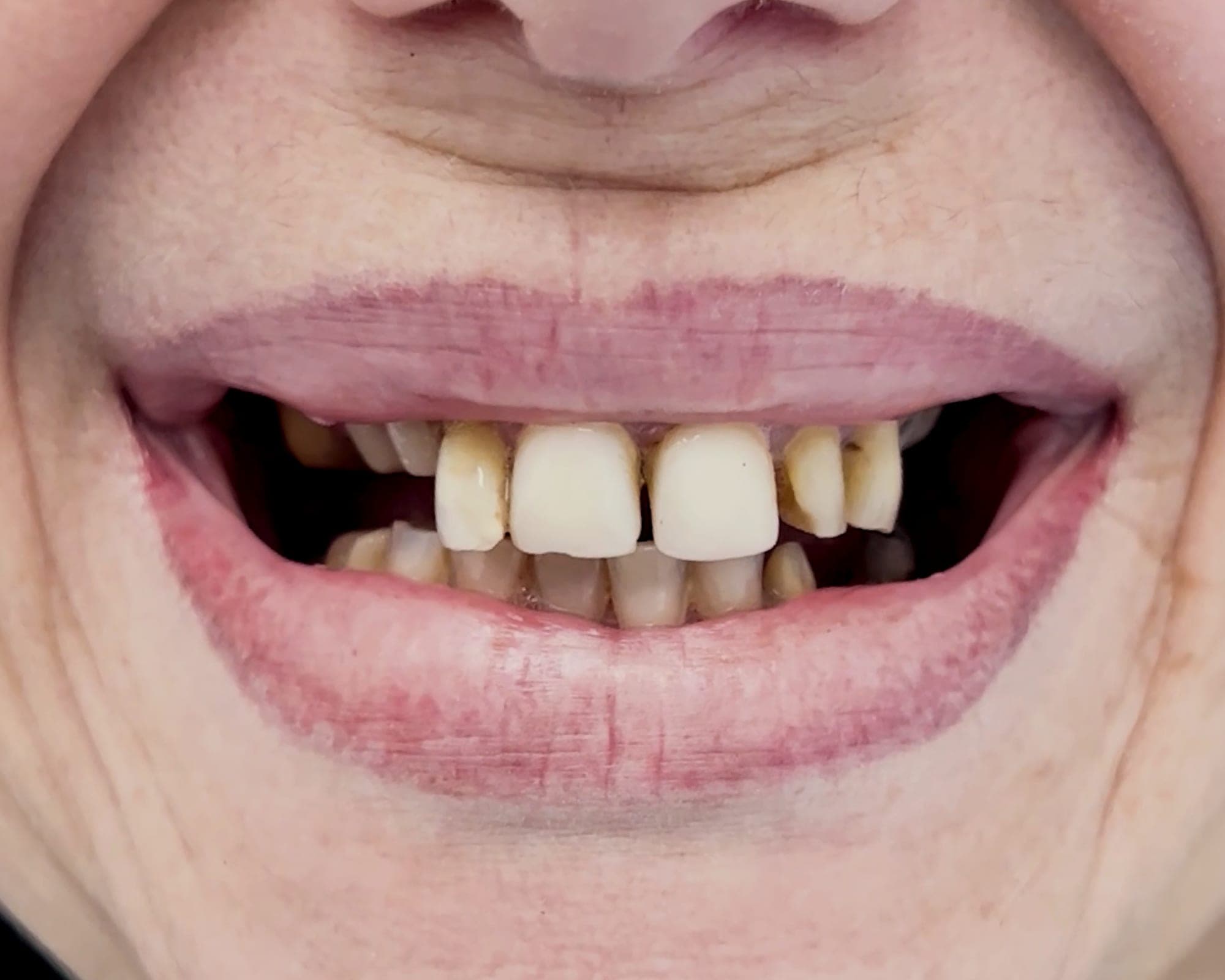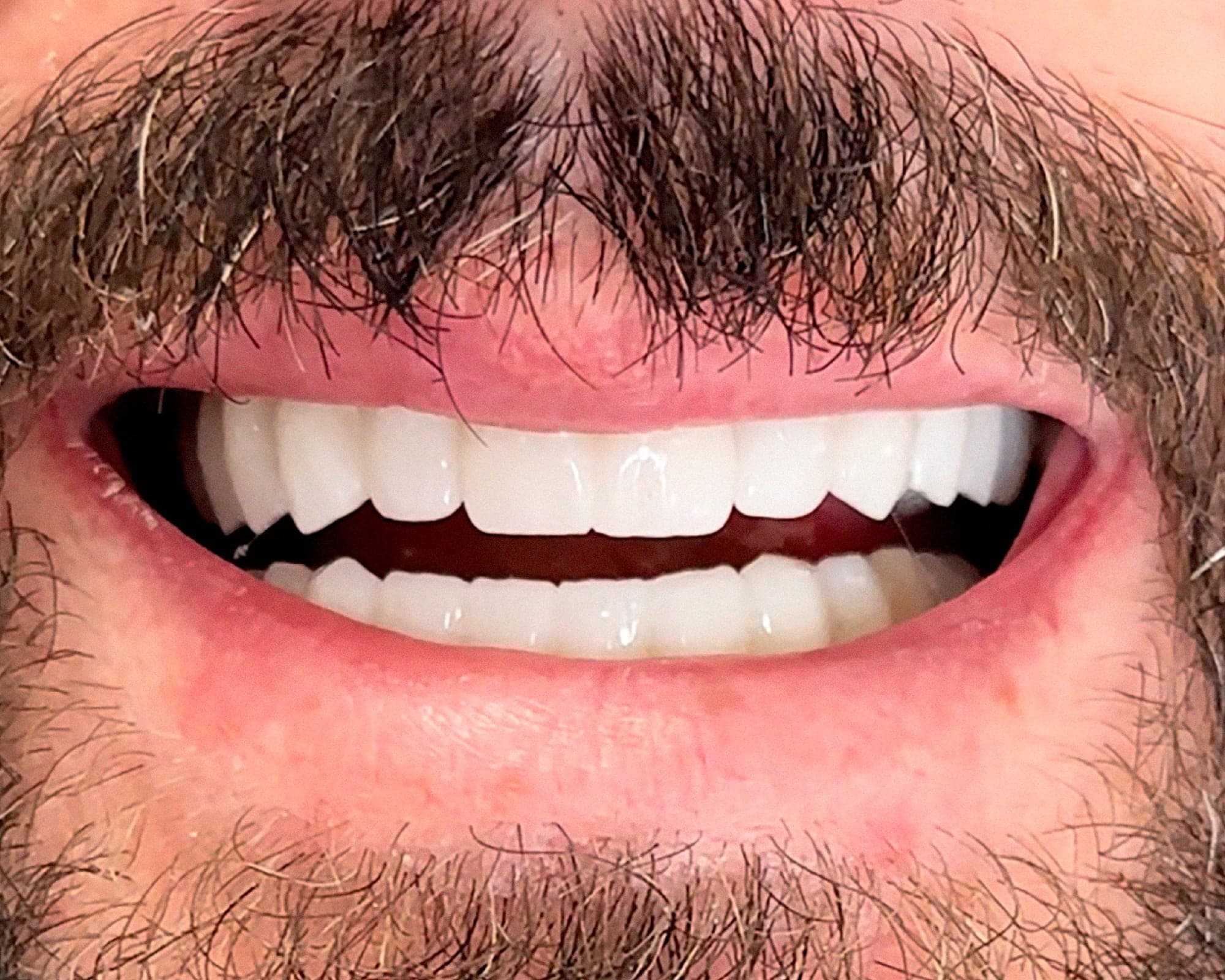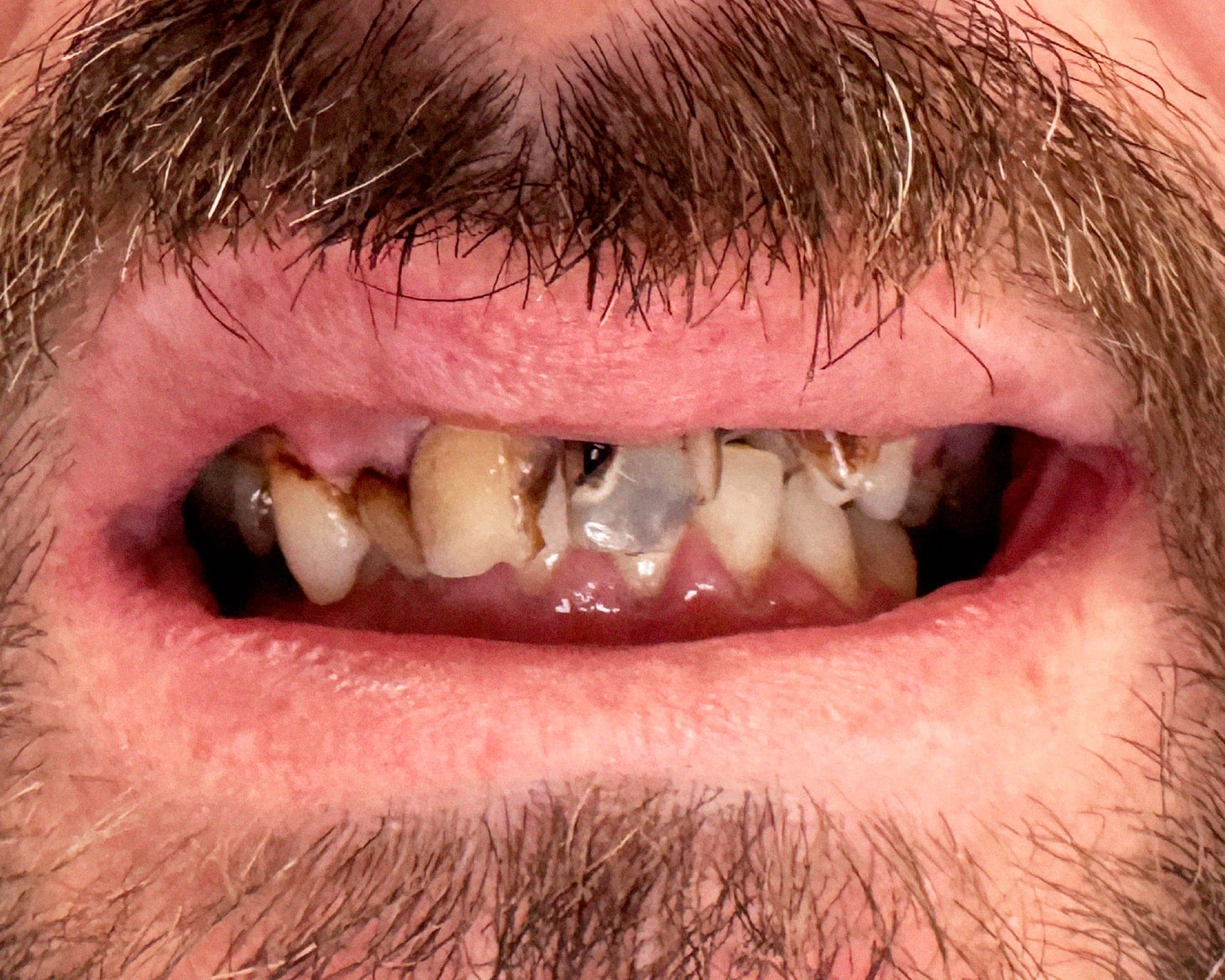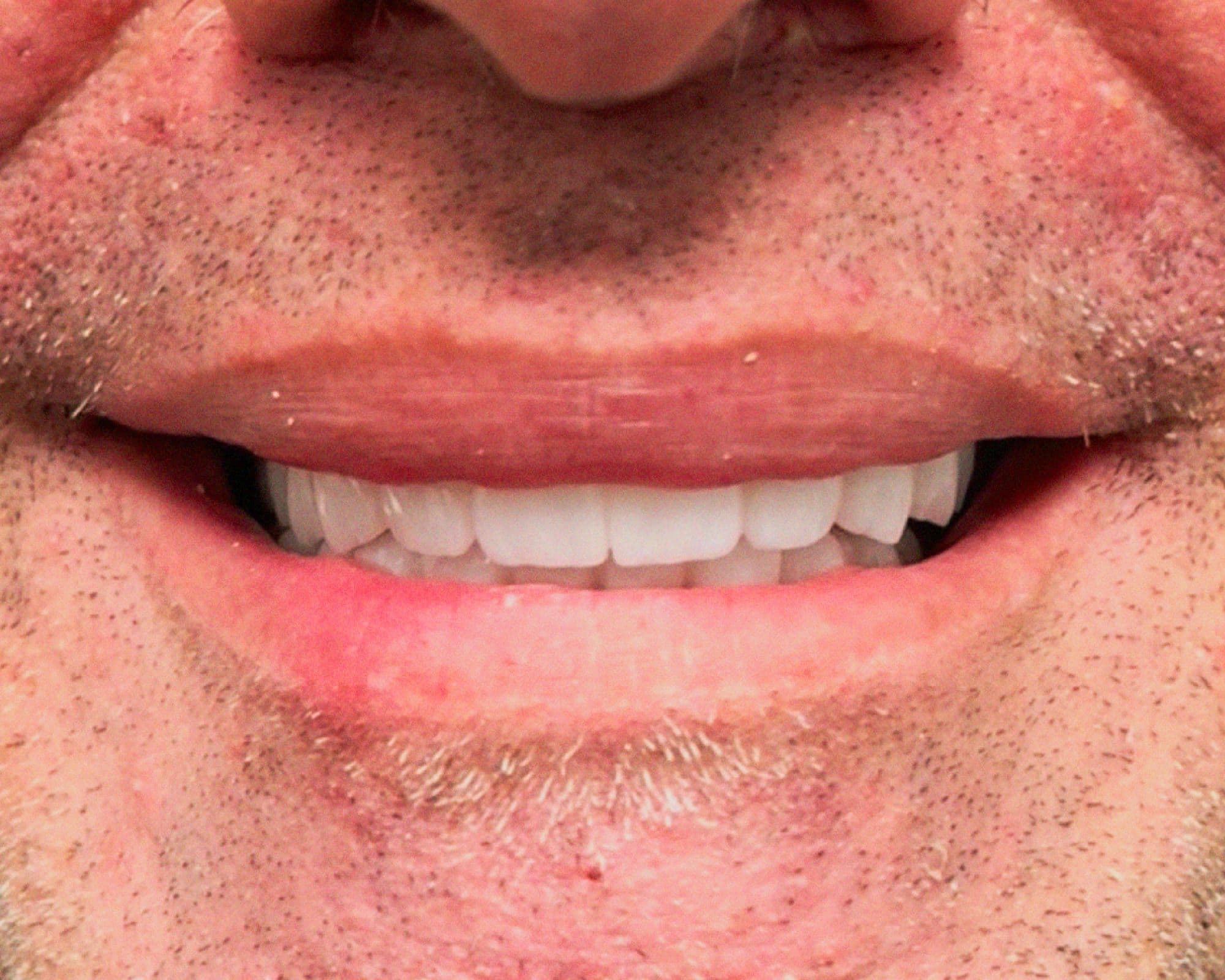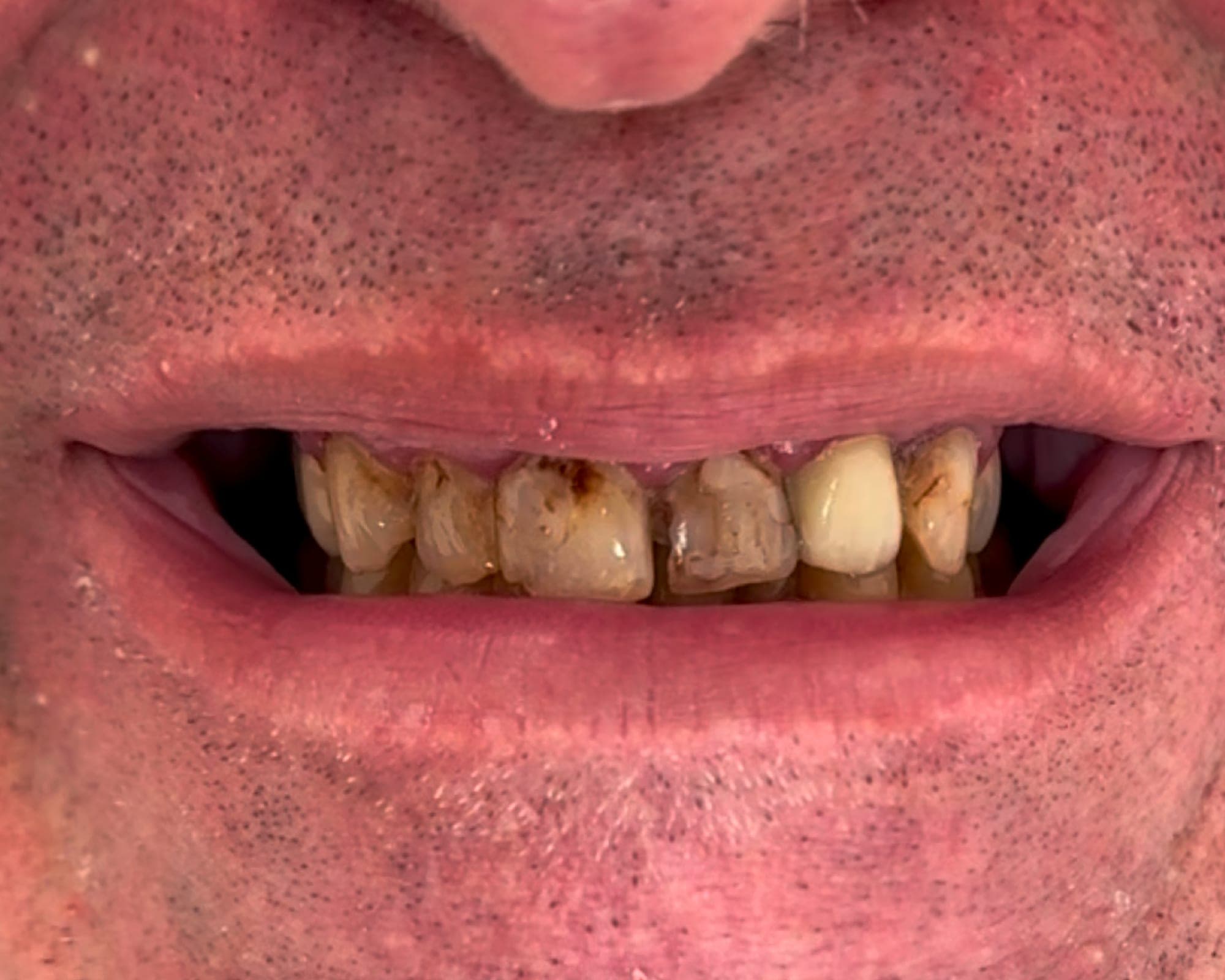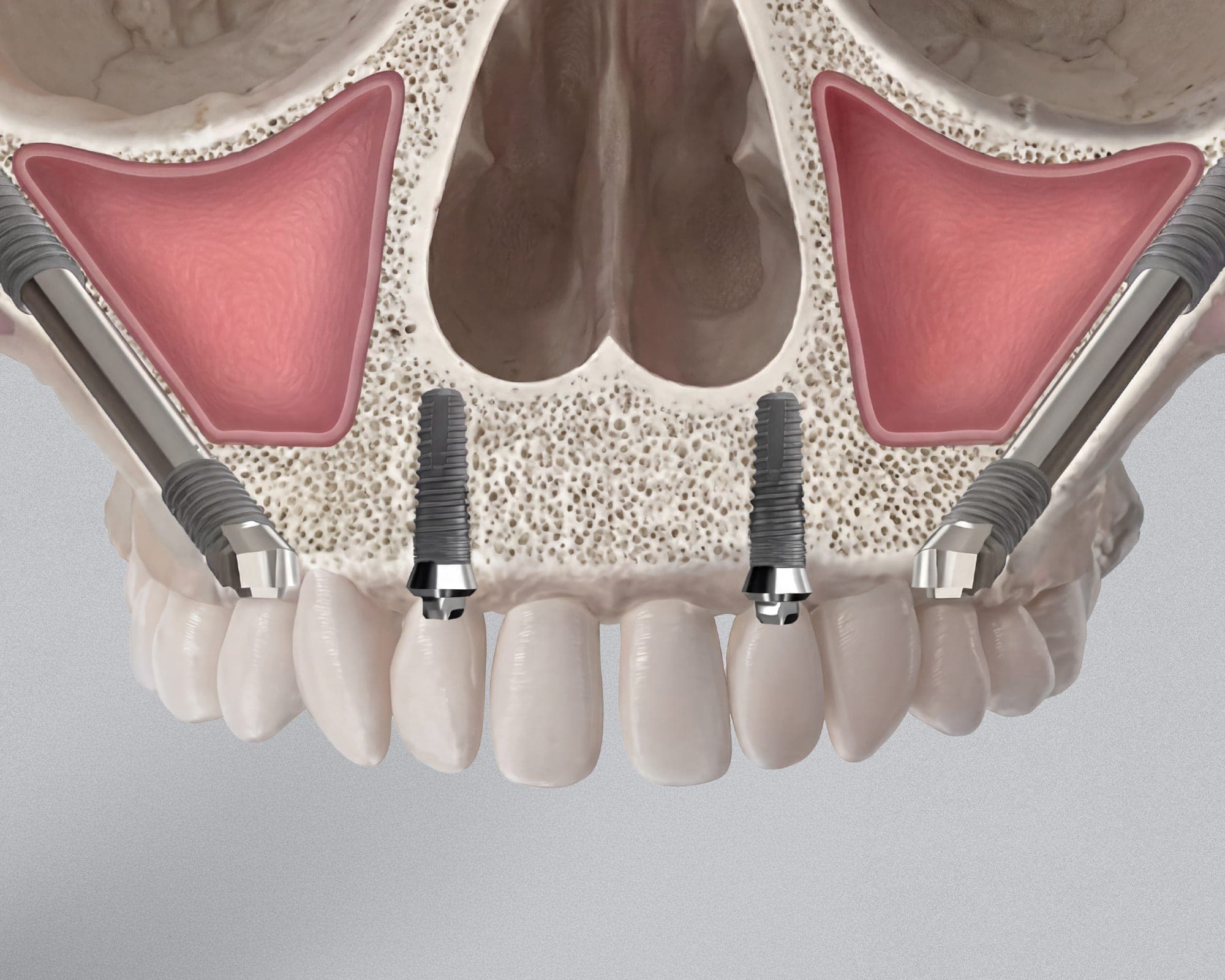
Dental Implants
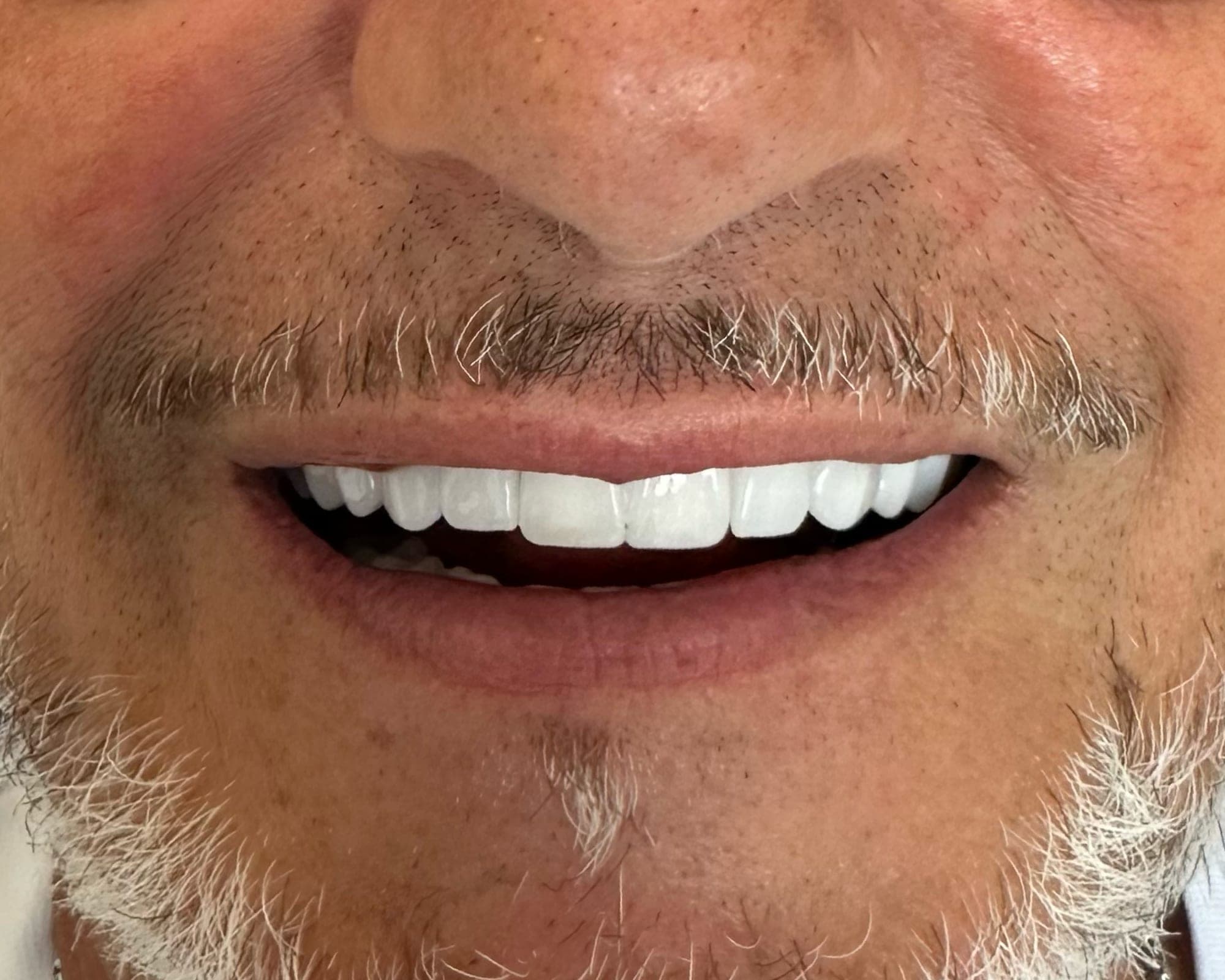
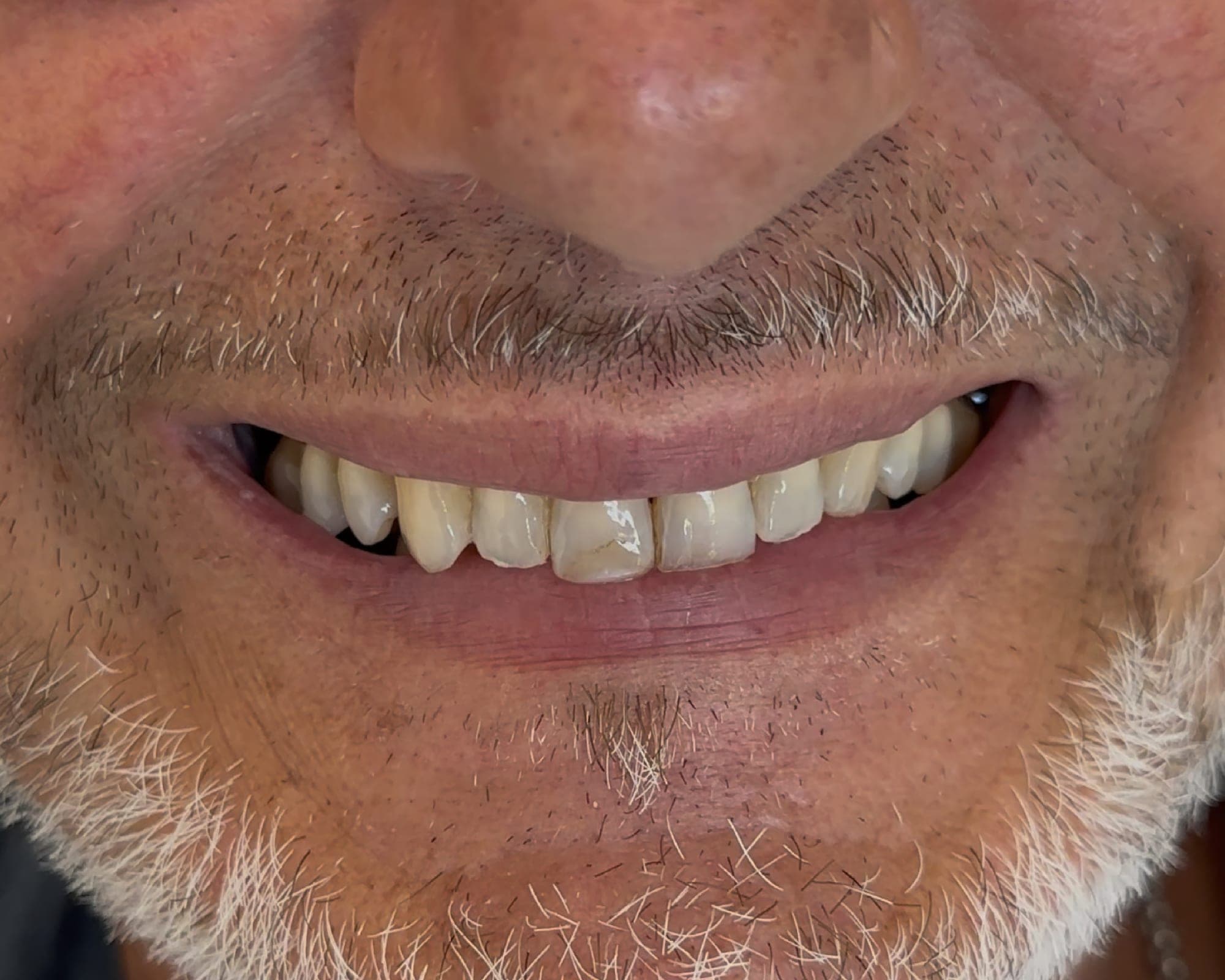
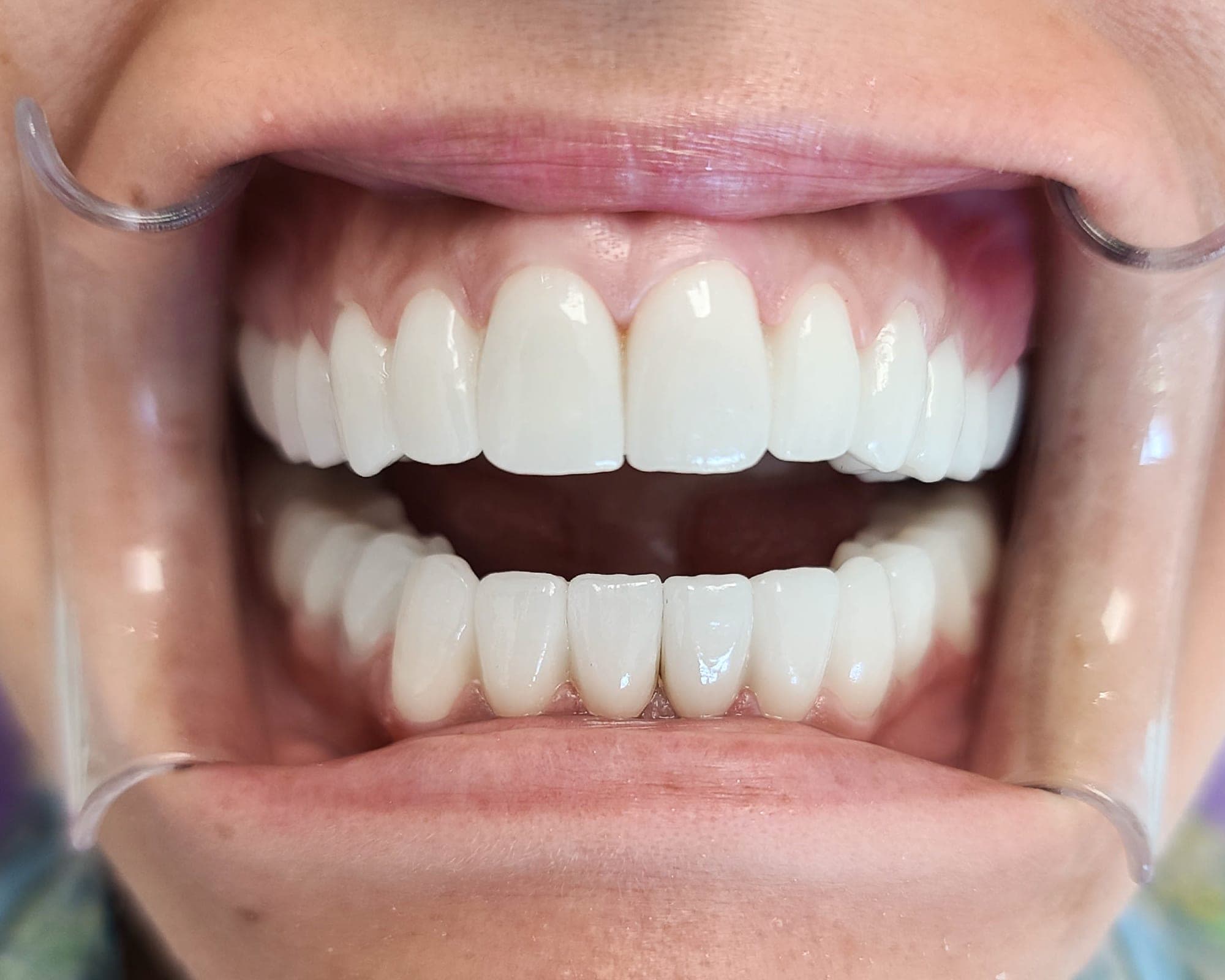
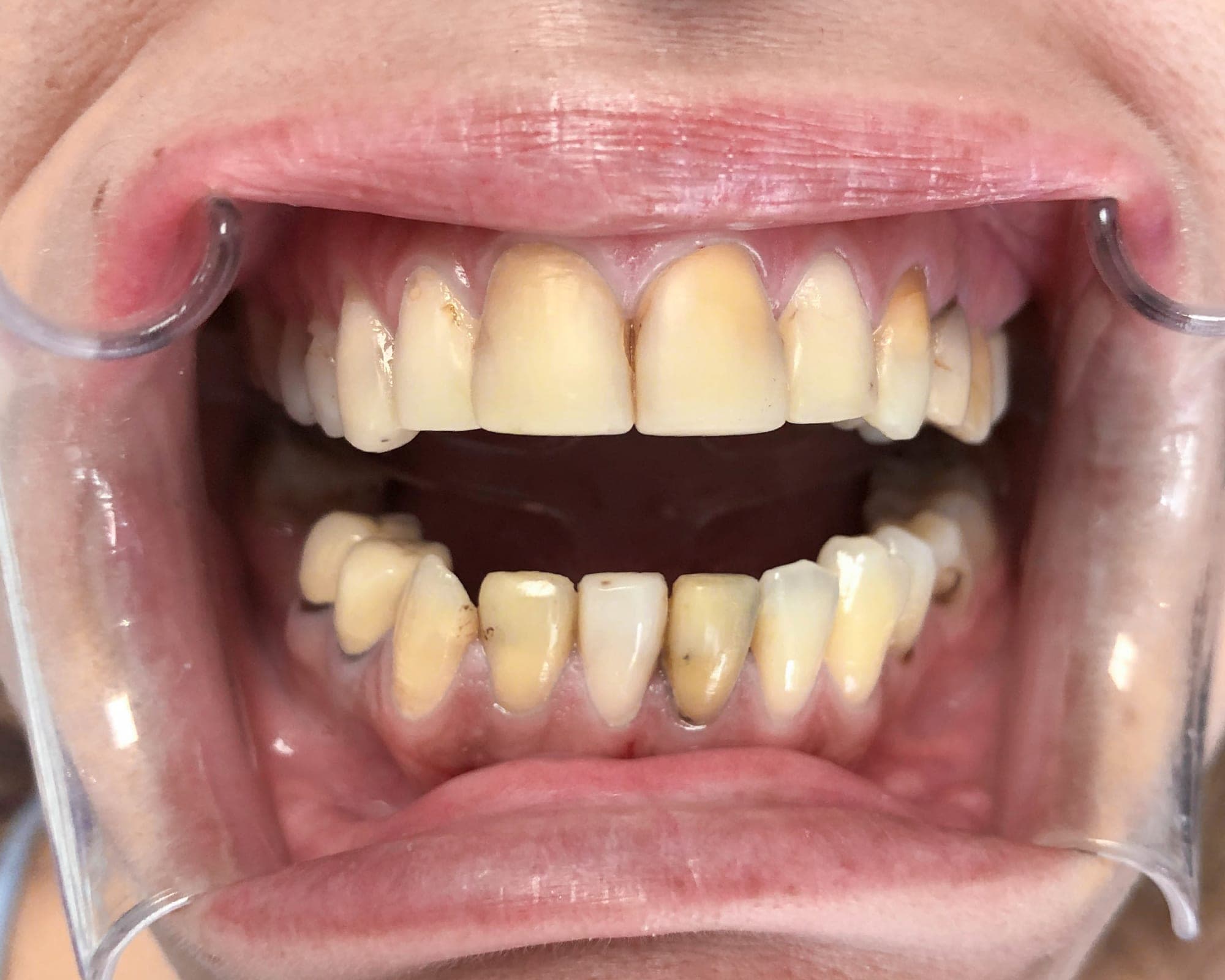
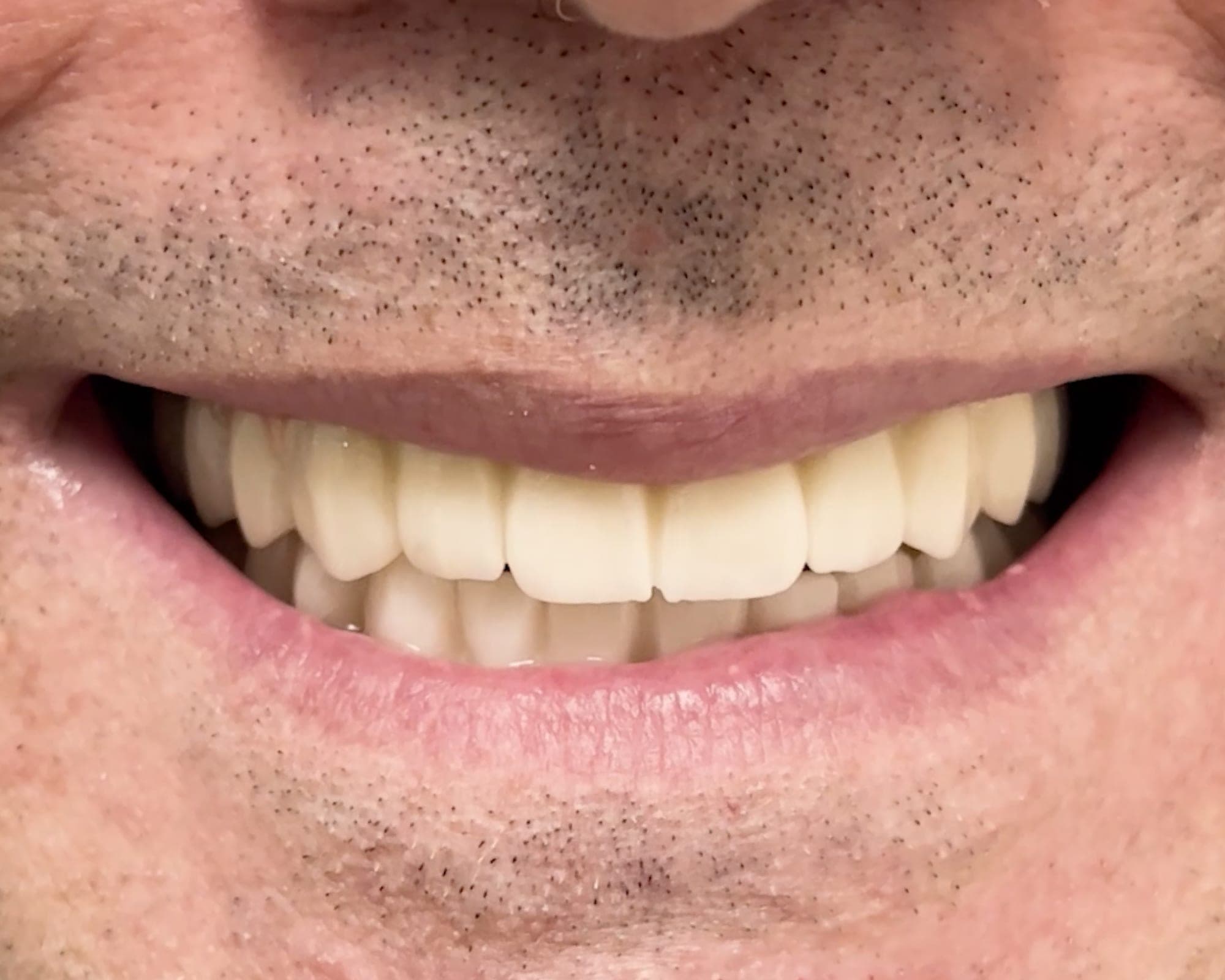
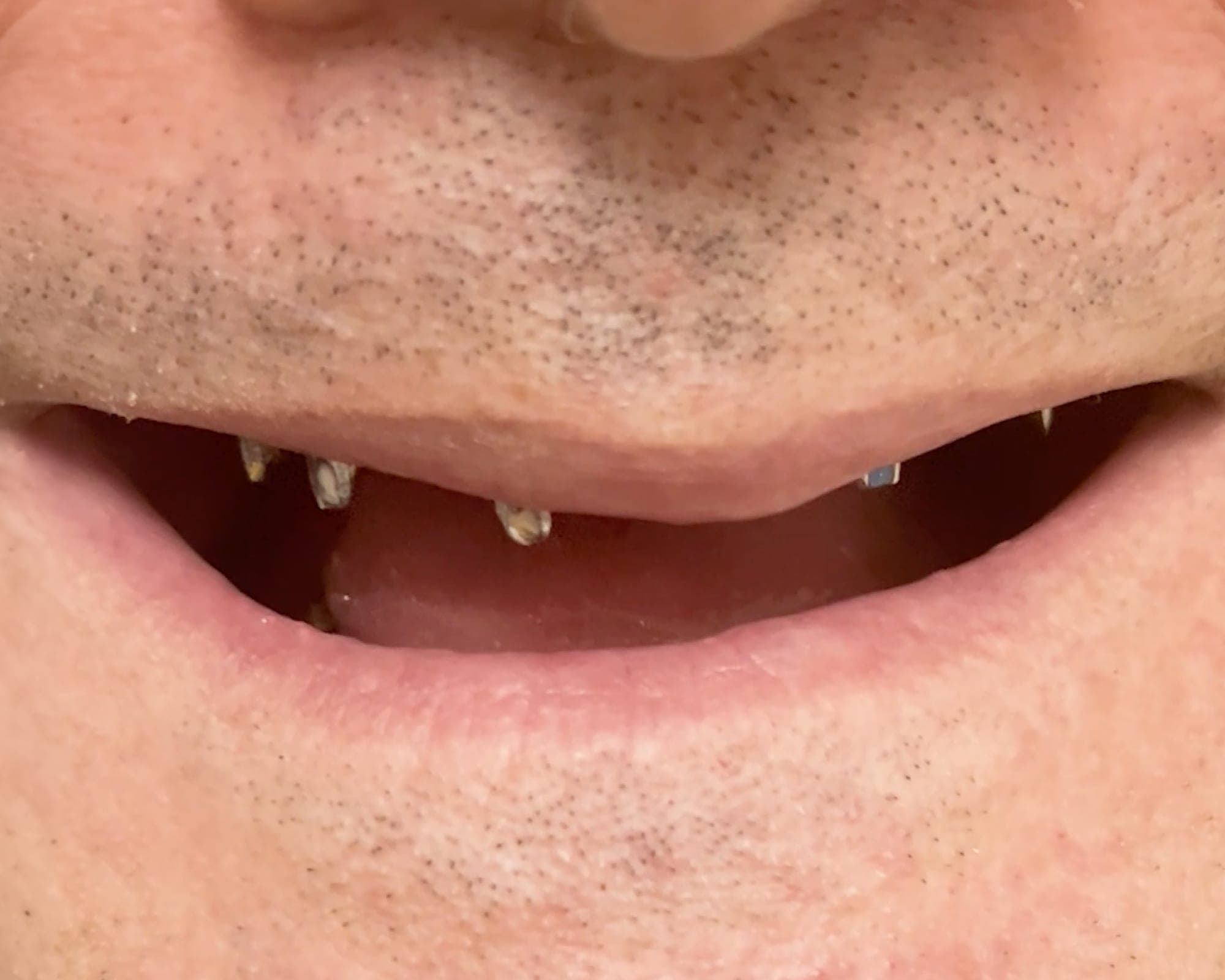
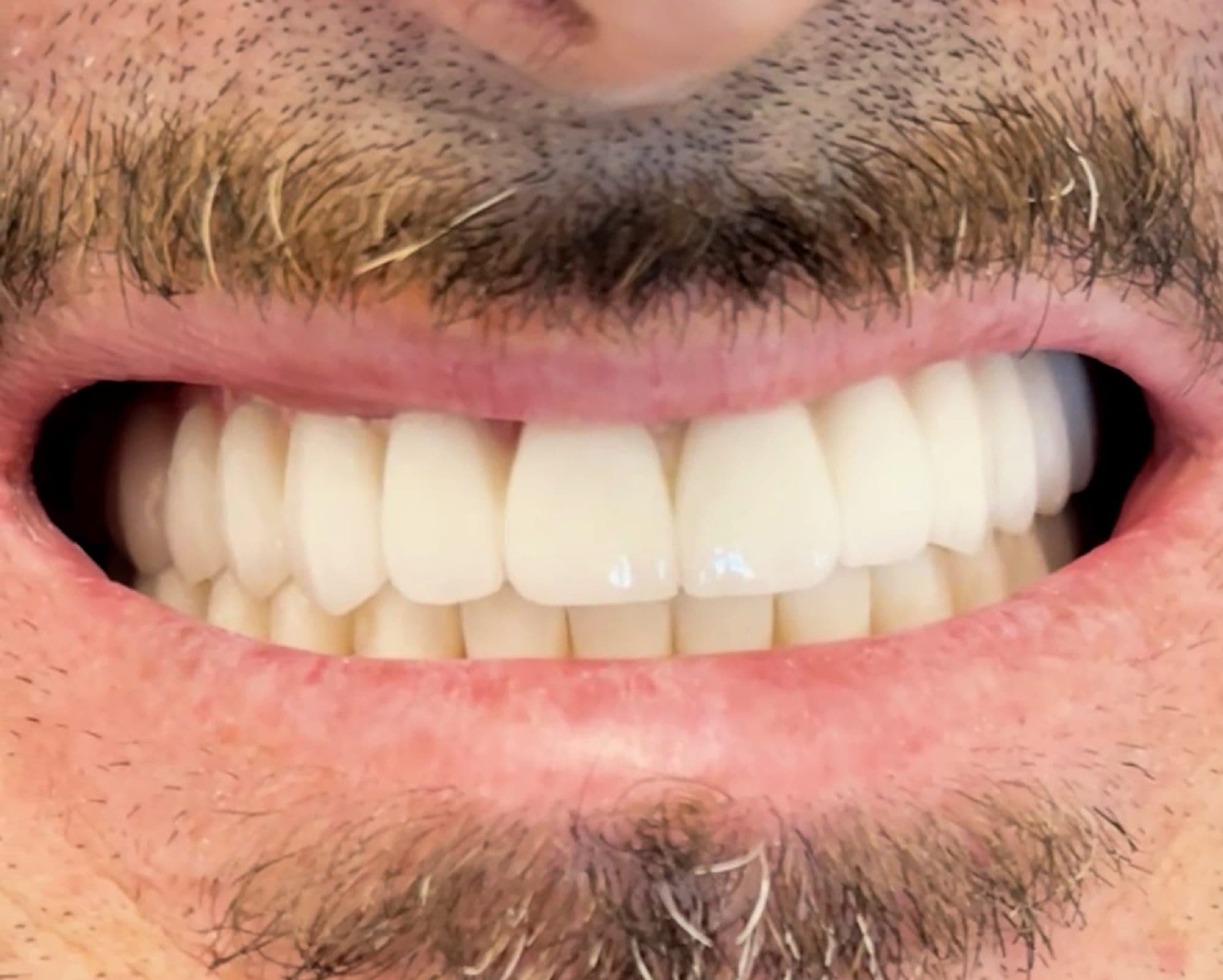
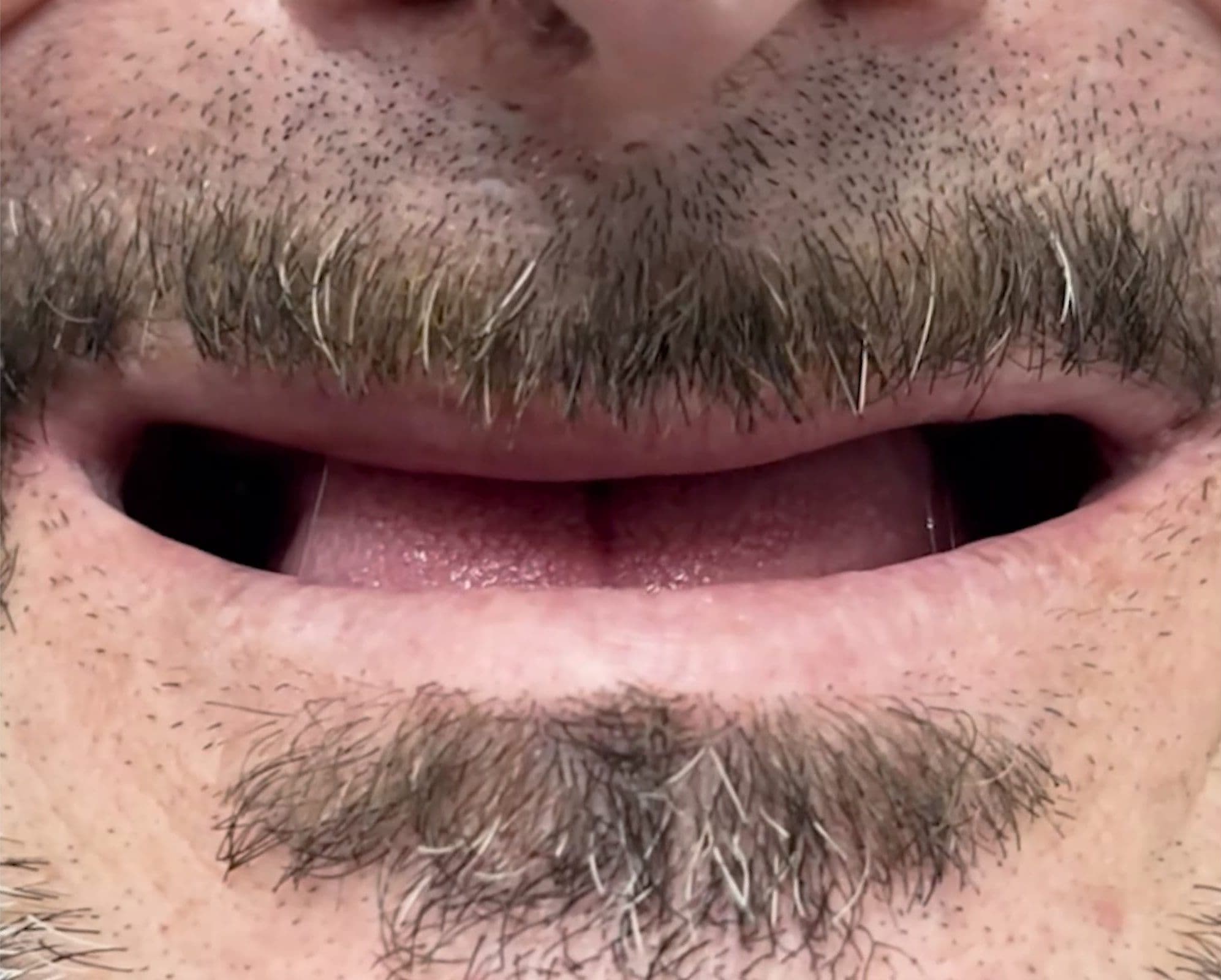
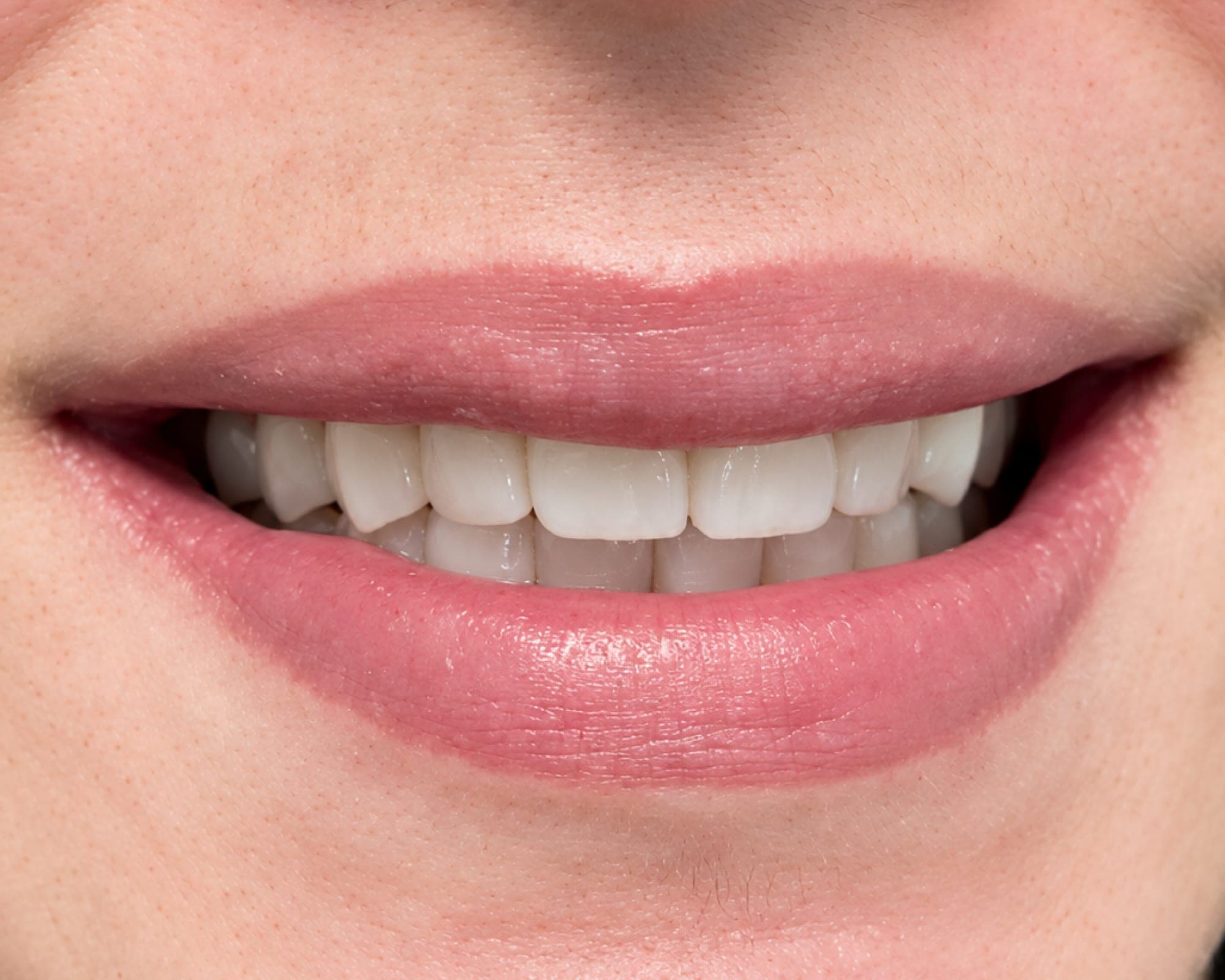
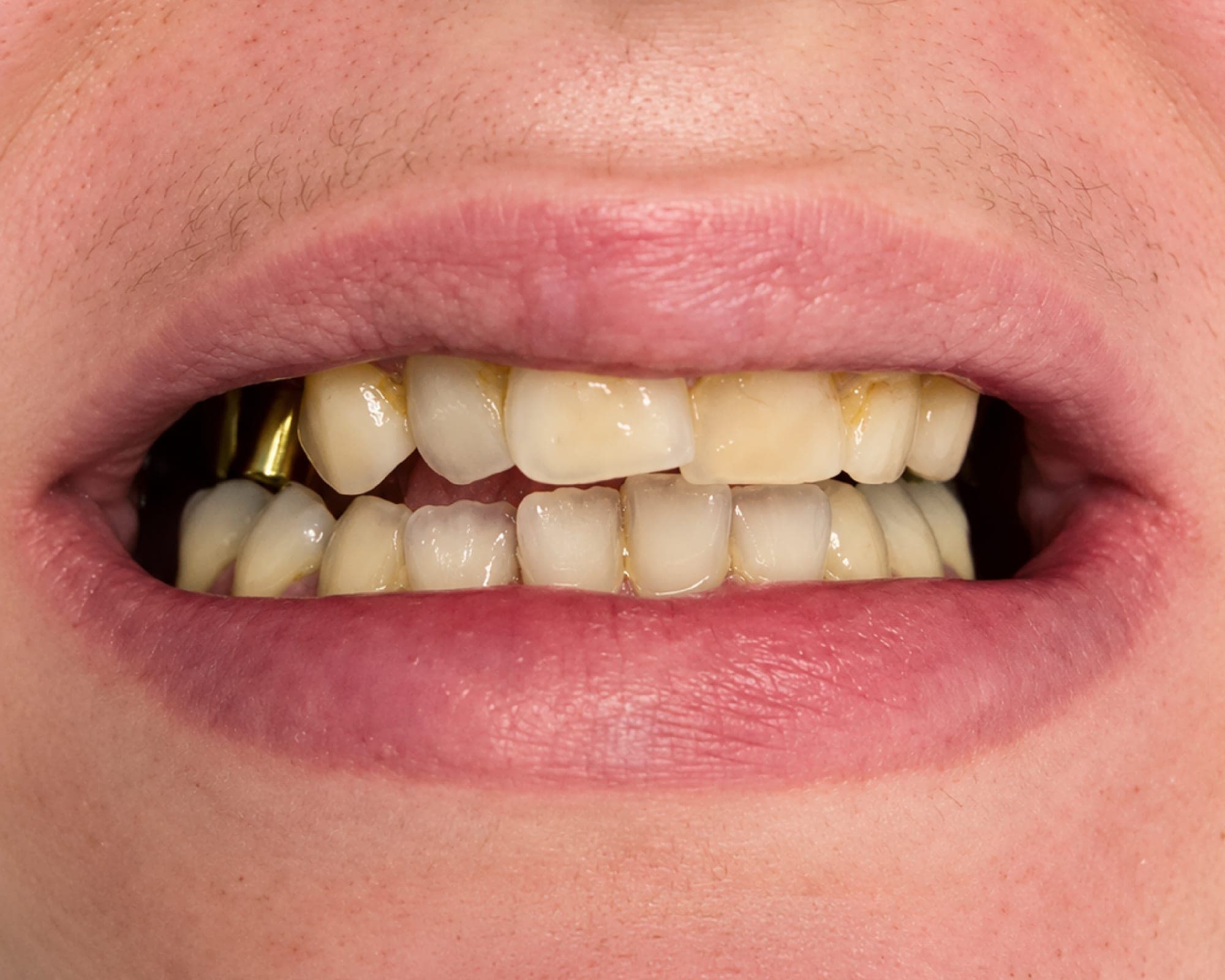
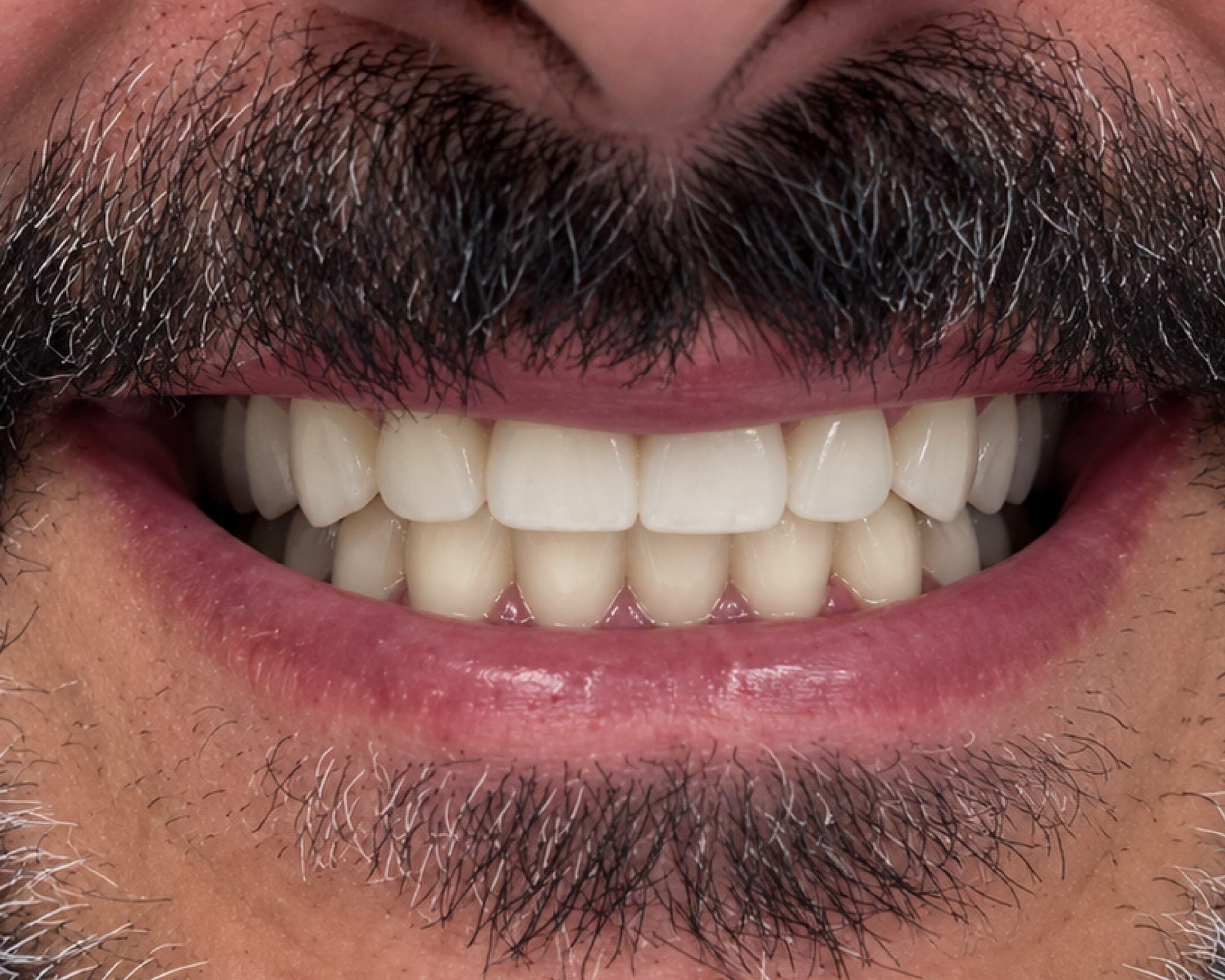
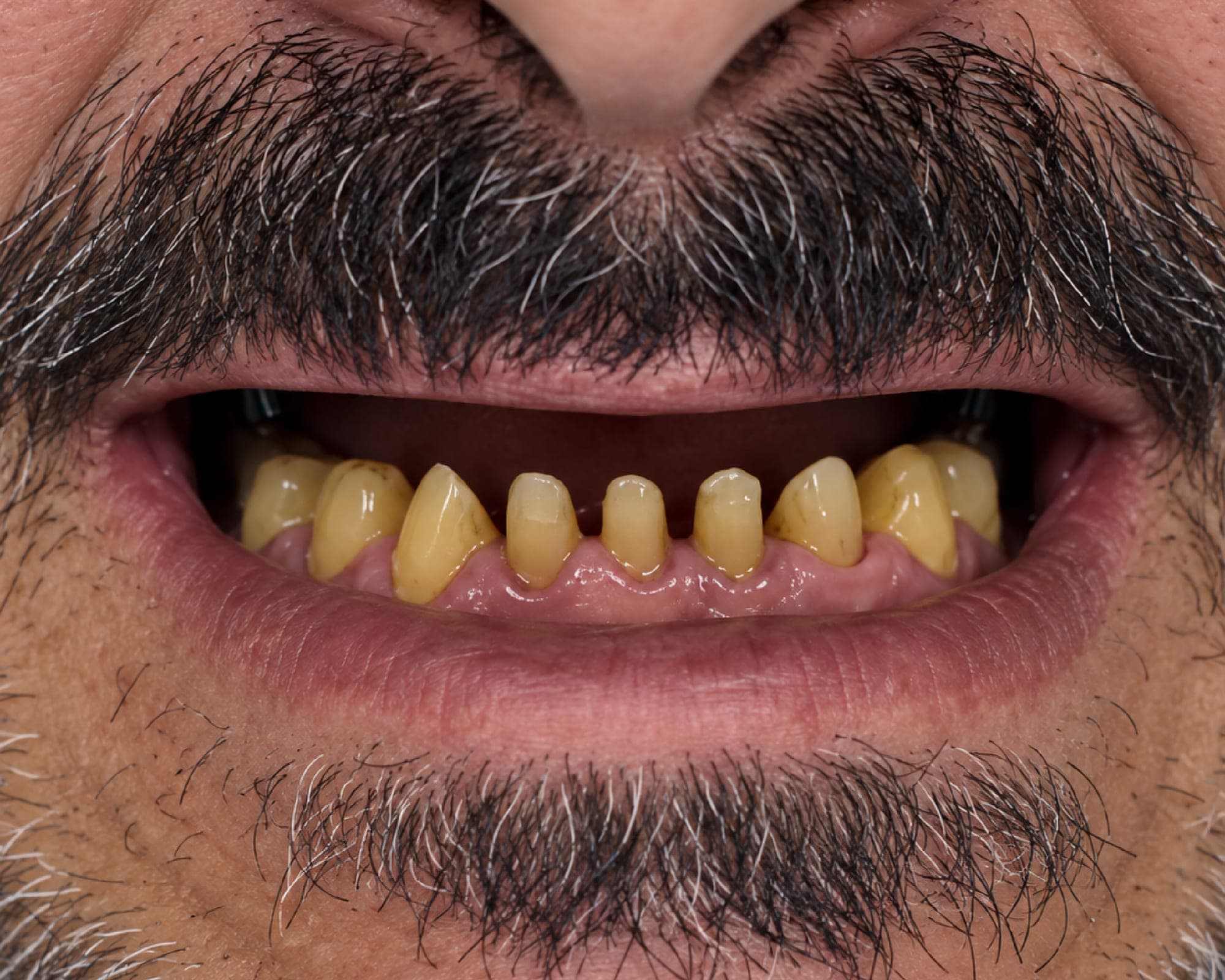
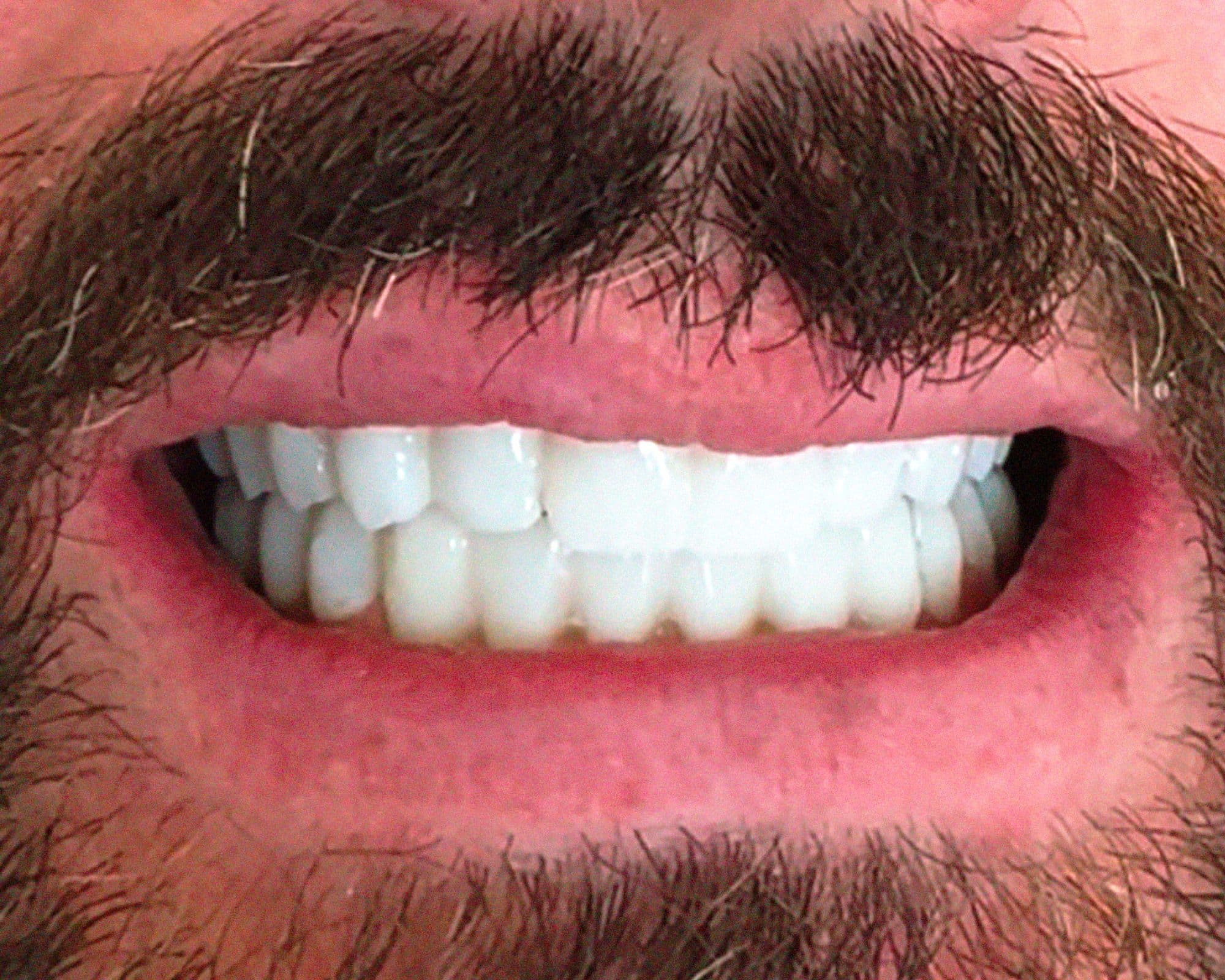
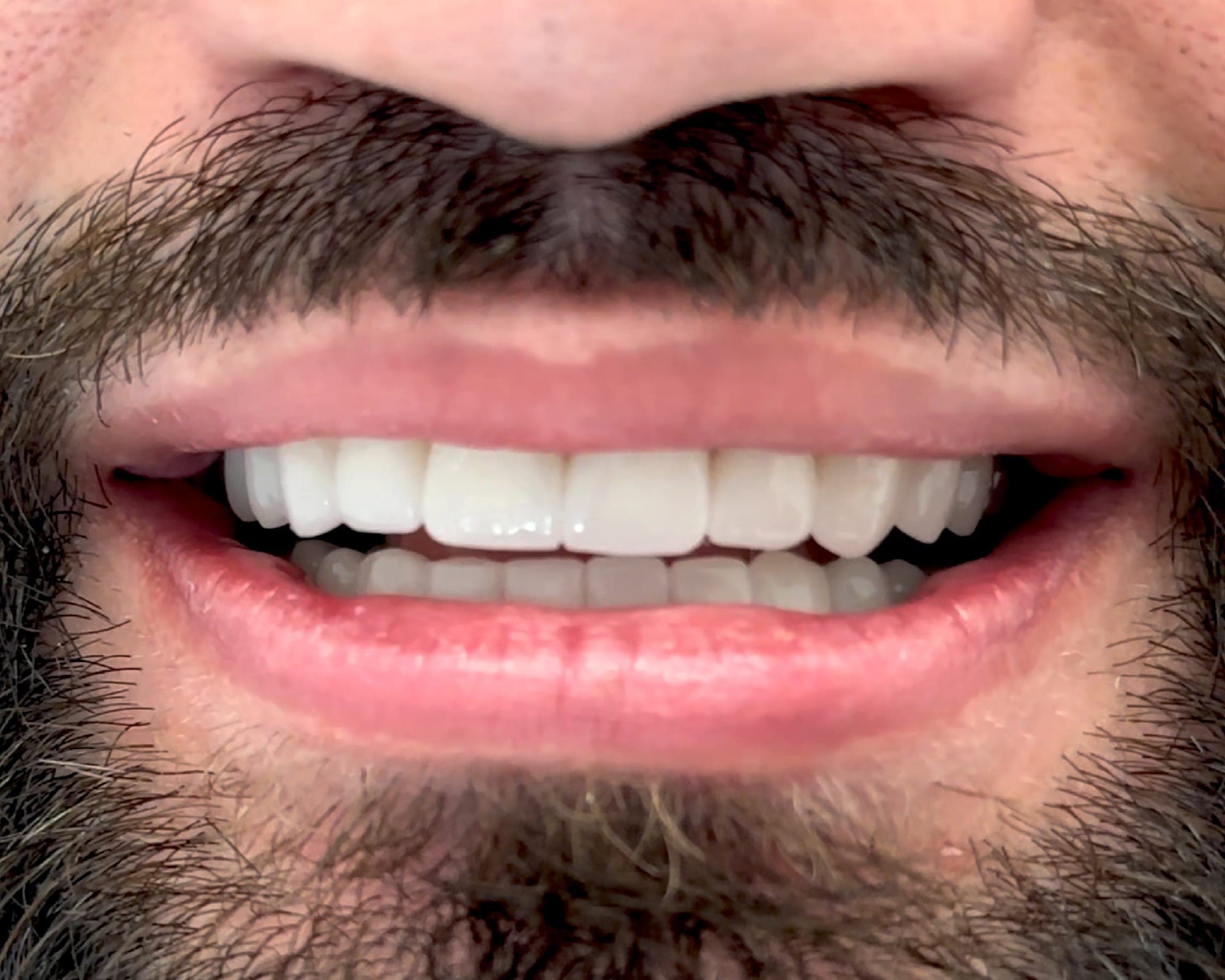
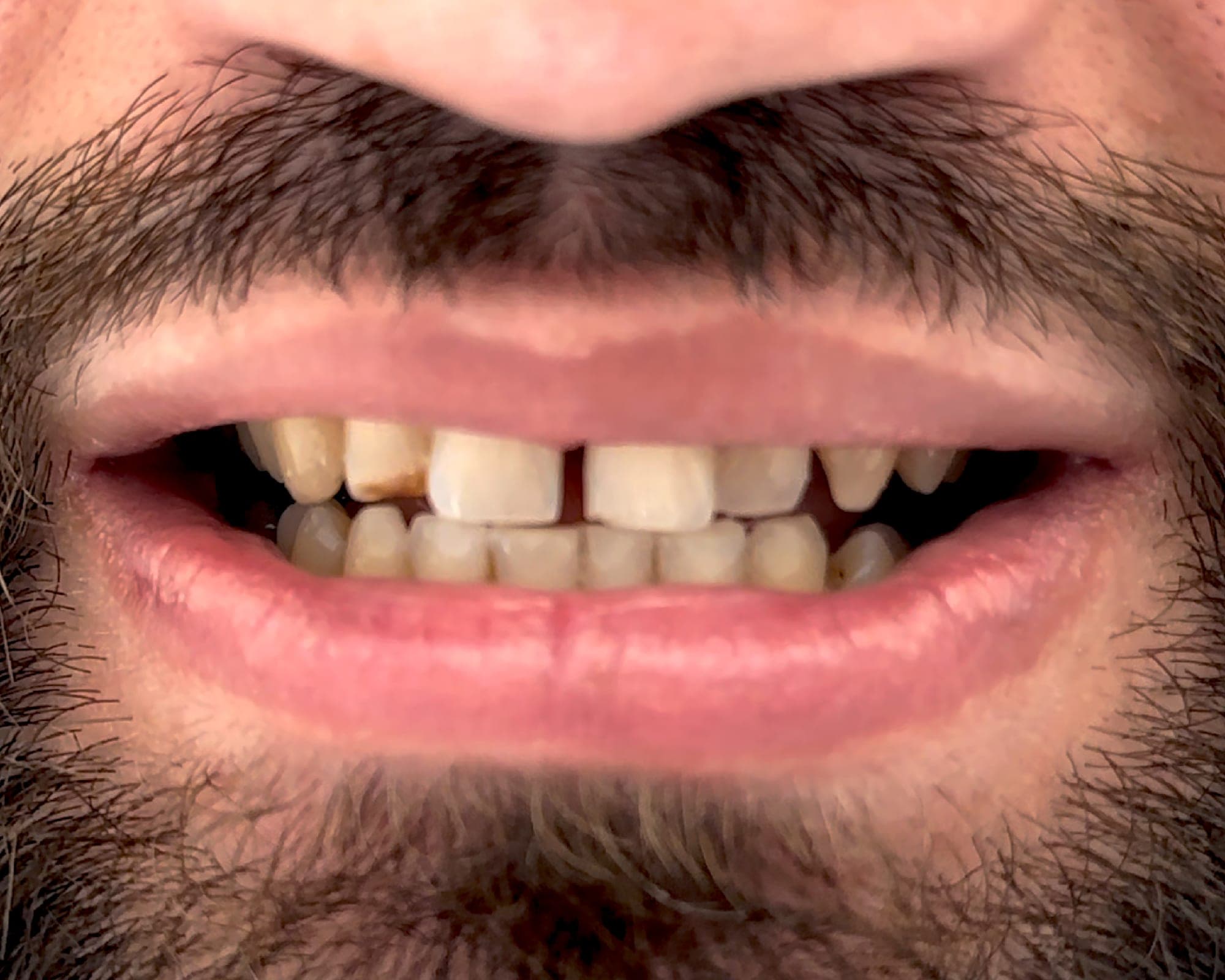
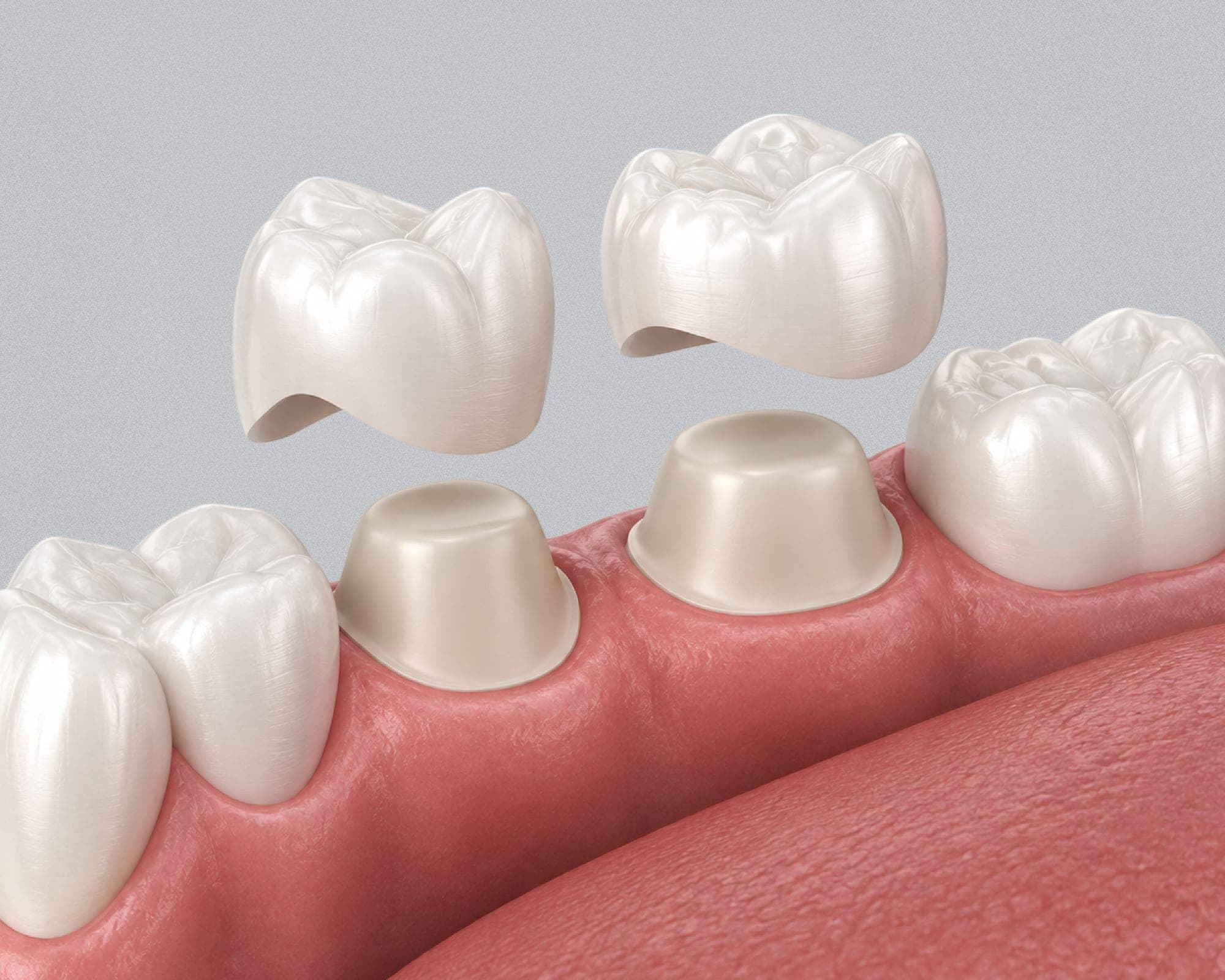
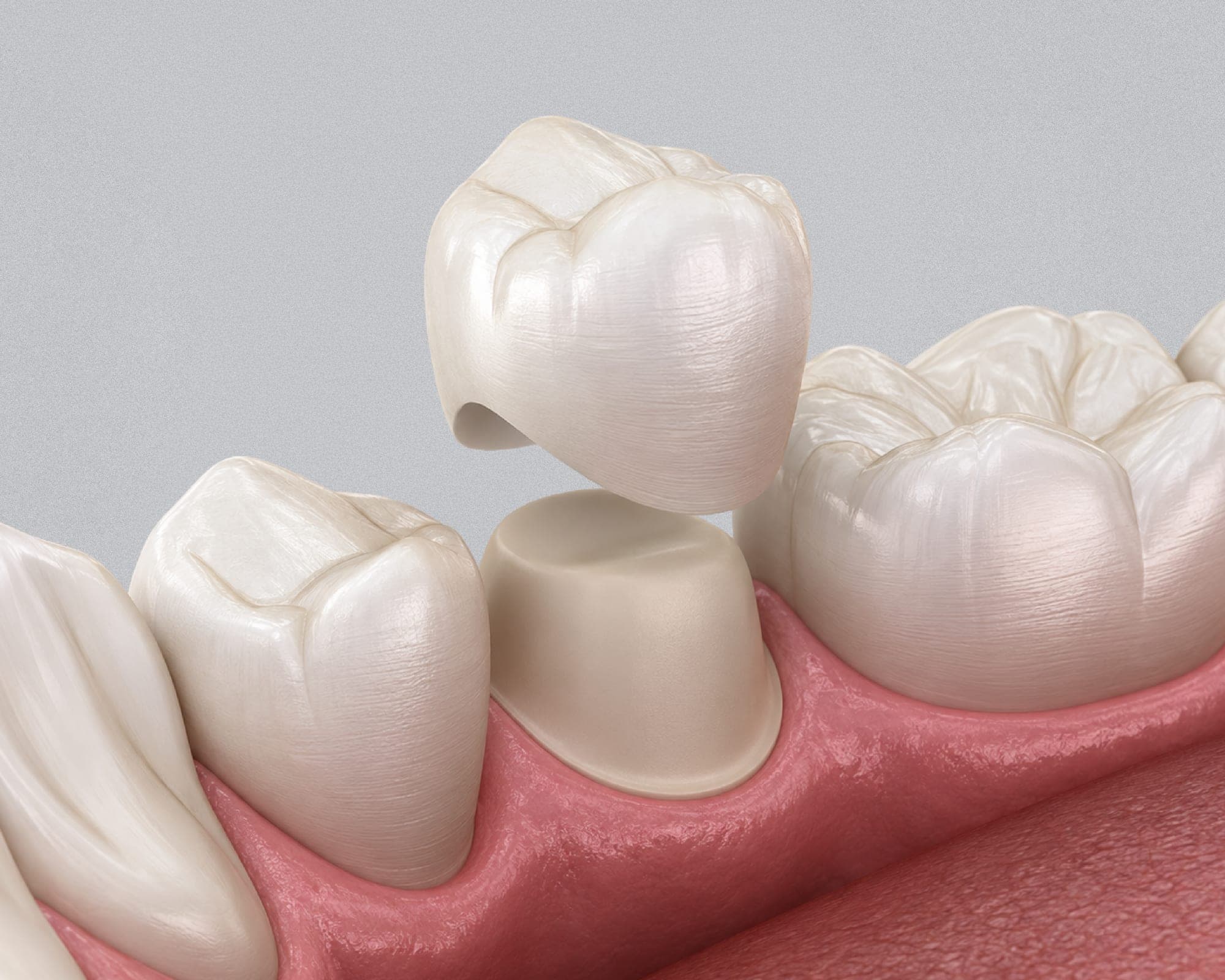
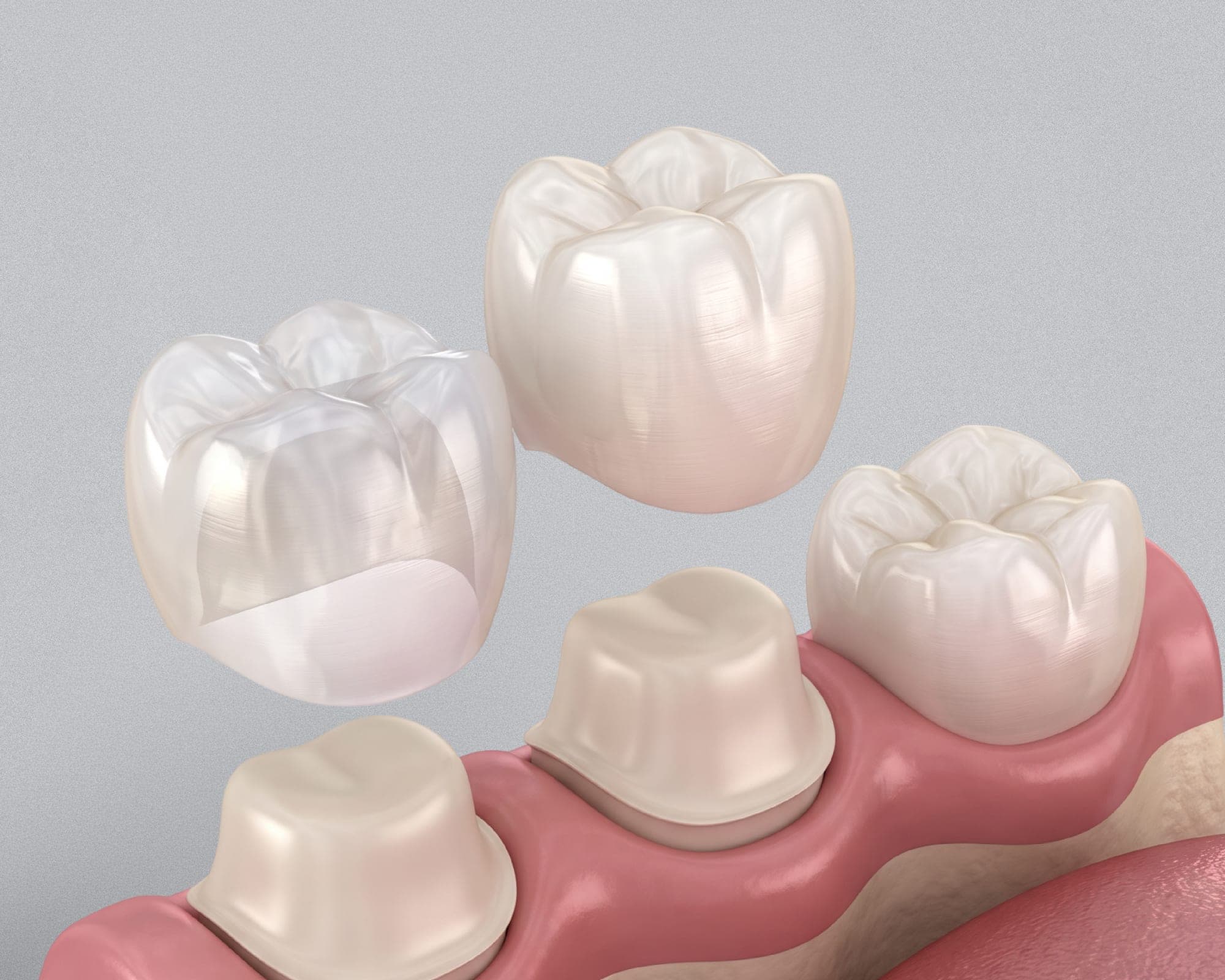
A dental implant is a small titanium or ceramic post placed in the jawbone to act as an artificial tooth root. Once the bone has bonded to it, a connector and a crown, bridge or denture is attached on top. Implants replace missing teeth without relying on neighboring teeth, and they look and function much like natural teeth.
- Healing time
- Usually 3–6 months
- Total treatment
- Several months to a year
- Longevity
- Often decades with good care
Who it suits.
- One or more missing teeth
- People who want a fixed alternative to dentures
- Adults whose jaw has finished growing and who have enough healthy bone, or can have it rebuilt
- Loose dentures that need extra stability
What it brings.
Natural look and feel
An implant tooth is designed to blend in and feel like part of your mouth.
Confident chewing
Because it is anchored in bone, it lets you bite and chew firmly.
Protects the jawbone
The implant helps slow the bone loss that follows losing a tooth.
Leaves other teeth alone
Neighboring teeth do not need to be reshaped to support it.
Step by step.
- 01
Assessment and imaging
Your dentist examines your mouth and uses X-rays or a 3D scan to check bone quantity and plan the implant position; a bone graft may be advised first if bone is thin.
- 02
Implant placement
Under local anesthetic, the implant post is placed into the jawbone and the gum is closed over or around it.
- 03
Healing period
Over the next few months the bone grows around the implant and fuses to it, often with a temporary tooth in place.
- 04
Abutment and impressions
A small connector called an abutment is attached, and a scan or impression is taken to make the final tooth.
- 05
Final restoration
The custom crown, bridge or denture is fixed onto the implant, followed by regular reviews.
Looking after it.
- Stick to soft foods and avoid chewing on the implant site while it heals
- Keep the area clean with gentle brushing and any mouthwash your dentist recommends
- Avoid smoking, which slows healing and raises the risk of implant problems
- Brush, floss or use interdental brushes around the implant daily and attend regular check-ups
Good to know.
Does implant surgery hurt?
The area is fully numbed, so the placement itself should not be painful. Swelling and soreness for a few days afterwards is normal and is usually managed with ordinary pain relief, with most people feeling back to normal within about a week.
How long does the whole process take?
Bone usually needs around three to six months to bond with the implant, and sometimes longer. From start to finish, treatment often takes several months to a year, and longer if a bone graft is needed first.
How long do implants last?
The implant post itself can last for decades, often a lifetime, with good hygiene and regular check-ups. The crown on top may eventually need replacing due to normal wear.
Explore more.
Discover the
Power of change.