Why Replace a Missing Tooth at All?
When a tooth is lost, the teeth on either side can tilt into the space and the opposite tooth can move out of line. The jawbone that held the root also slowly shrinks, since nothing is stimulating it any more.
Replacing a missing tooth can help maintain function, support a stable bite and limit changes in the surrounding area.
How a Bridge Works
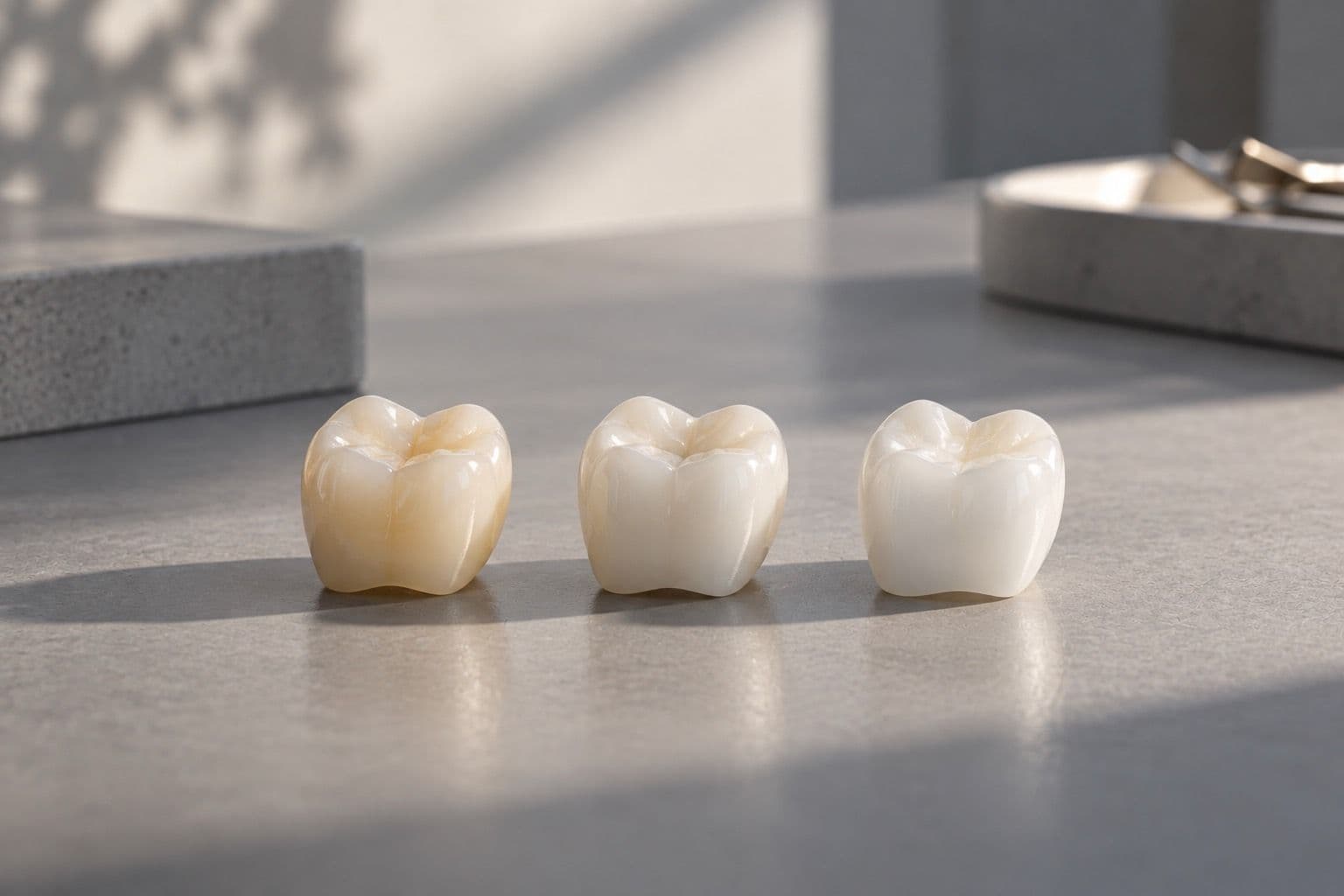
A bridge is a false tooth held in place by crowns on the teeth either side of the gap. Those neighboring teeth are reshaped to take the crowns.
A bridge needs no surgery, and it is usually completed within a few visits.
How an Implant Works
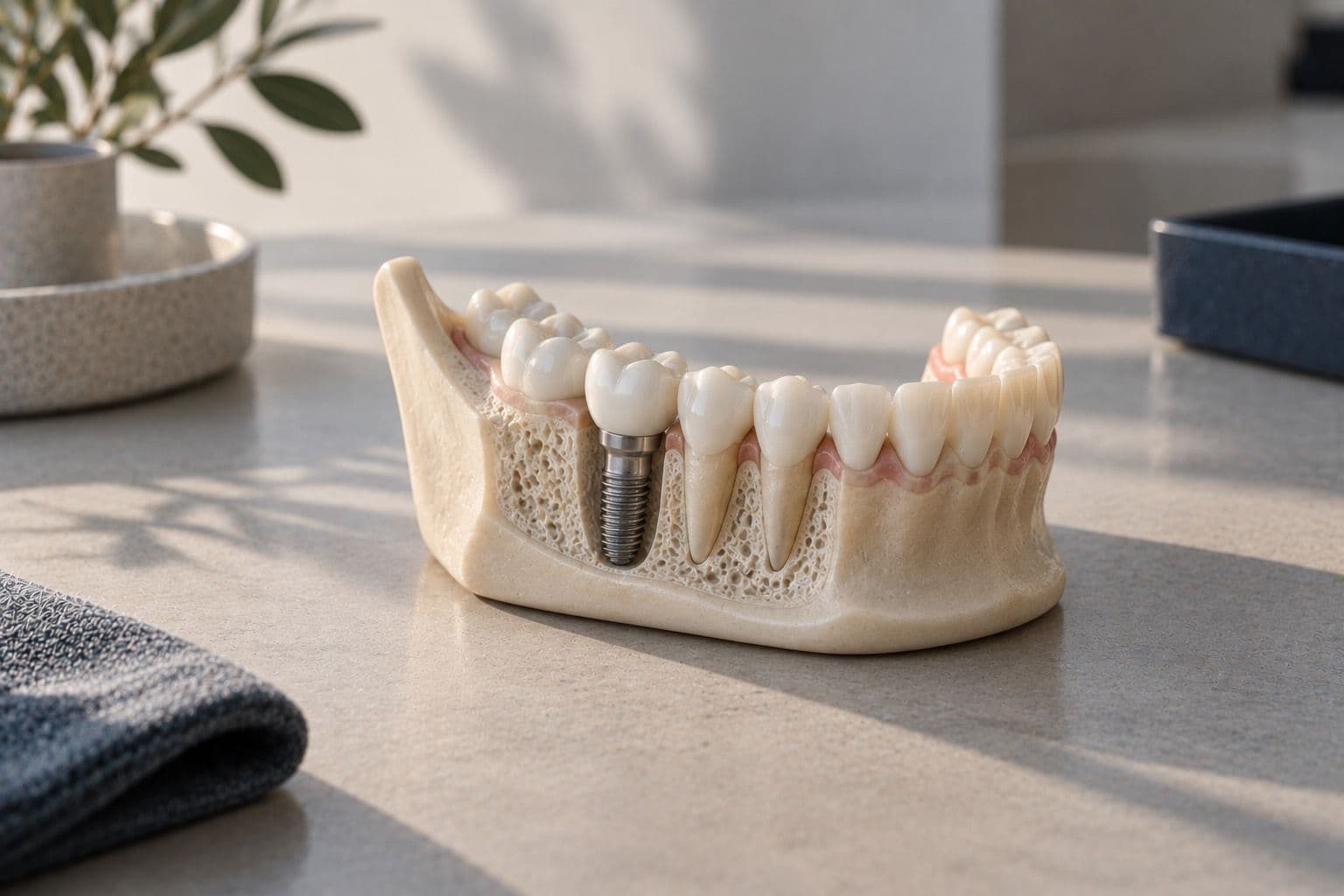
An implant replaces the root itself. A small titanium post is placed in the jawbone, and once it has fused with the bone, a crown is fixed on top.
It stands on its own, without relying on the teeth beside it. At JokaDent, each placement is backed by a lifetime guarantee.
Comparing the Two
- Neighboring teeth. A bridge needs them reshaped, while an implant leaves them untouched.
- Bone. Because an implant is placed in the bone, it can help maintain bone in that area. A conventional bridge does not replace the missing root.
- Time. A bridge is quicker. An implant needs a healing period, commonly a few months.
- Surgery. A bridge needs none. An implant needs a minor procedure under local anesthesia.
- Cleaning. A bridge needs a floss threader or interdental brush under the false tooth. An implant is cleaned like a natural tooth.
Which One Is Right for You?
A bridge can make sense when the teeth beside the gap already have large fillings or need crowns anyway. An implant is often the better choice when those teeth are healthy and there is enough bone to hold the post.
After an examination and X-rays, your dentist will talk you through both, along with removable options if they suit you better.